Dress for Your Shape: Proportion, Balance & Color Tips
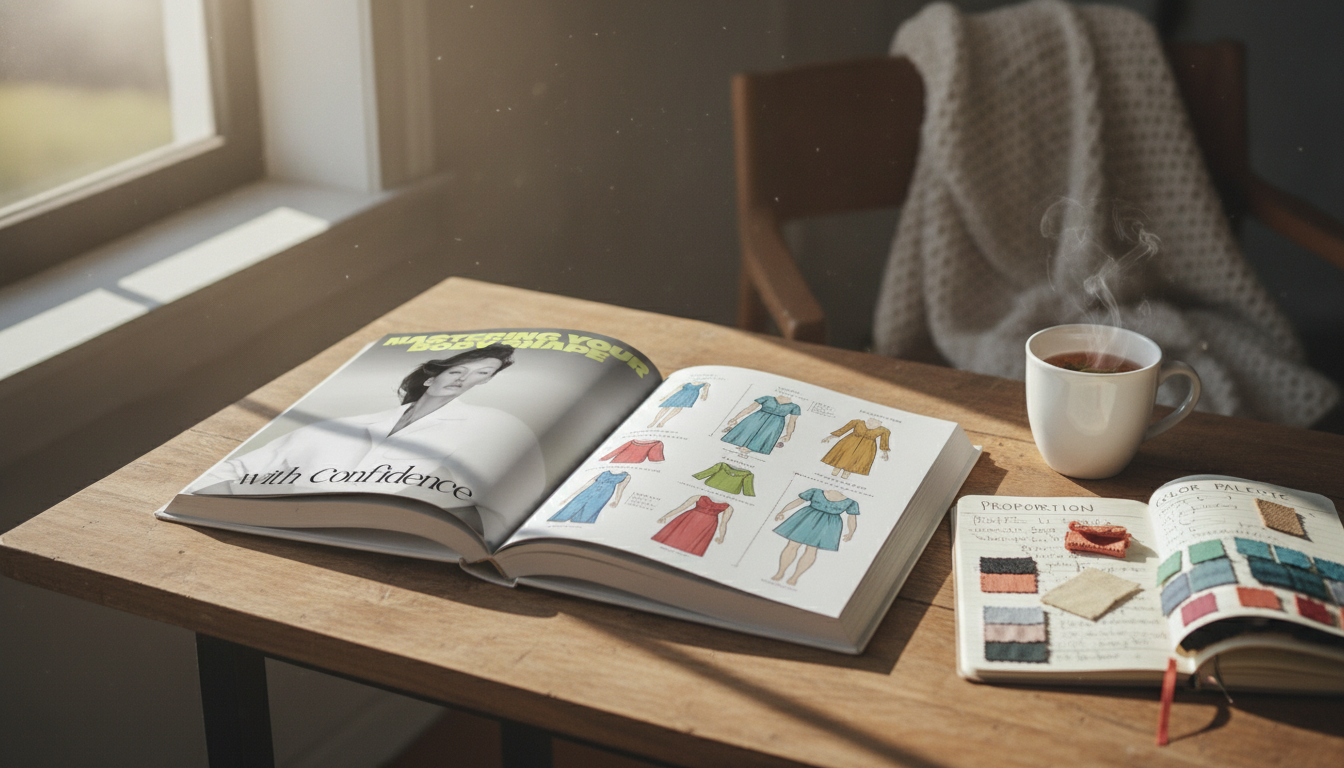
Mastering Your Body Shape with Confidence: Proportions, Outfit Balance, and Color Choices
Getting dressed feels easier when outfits are built around shape, proportion, and color harmony rather than trends. A few repeatable rules—where the eye travels, where lines break, and how color is distributed—can create balance while keeping personal style intact. Below is a practical way to identify shape goals, adjust proportions, and use color with confidence for everyday outfits and special occasions. For more guidance, see How to dress for your body shape: key principles – Jennifer Tattanelli.
Start with shape goals, not labels
Instead of chasing a single “body type” label, start with landmarks that show how clothing actually sits on you: shoulder line, bust, natural waist, high hip, fullest hip, and inseam. These reference points help explain why the same jeans or dress can look completely different depending on rise, fabric, and where seams hit.
Pick one primary goal per outfit. Common goals include defining the waist, lengthening the legs, balancing shoulders and hips, or adding softness/structure to the silhouette. When you limit the goal to one, the outfit stays intentional—without turning into a checklist.
“Rules” work best as tools. A high neckline might feel polished with a sleek ponytail and structured blazer, but the same neckline in a clingy knit can emphasize width where you don’t want it. Let the fabric, neckline, and shoe influence which tool you use.
For a quick reality check, take two photos (front and side) in fitted basics (a tank and straight-leg jeans or leggings). Look for your natural line breaks: where volume sits, where the waist is most visible, and where hems visually “cut” the leg.
Proportion levers that change an outfit fast
Small tweaks create big changes because they redirect the eye. Necklines steer attention first: V-necks and scoops elongate, higher necks spotlight the face and shoulders, and square necklines sharpen structure. Waist placement does the same—high-rise bottoms visually extend the leg line, mid-rise reads balanced, and low-rise can lengthen the torso.
Hemline and shoe pairing is an underrated shortcut. When the value (lightness/darkness) of your shoe is close to your pant or tight color, you get a cleaner, unbroken line. Sleeves matter too: tapered cuffs refine the arm, while puff sleeves or strong shoulder seams add upper-body presence.
Layering adds instant control. Long open layers create vertical lines for a streamlined silhouette, while cropped layers highlight the waist and lift proportions—especially with higher-rise bottoms.
Quick proportion adjustments and what they do
| Style lever | Creates | Easy examples |
|---|---|---|
| High-rise bottoms | Longer leg line | Tuck a top; add a belt at the natural waist |
| Cropped jacket/cardigan | Higher waist emphasis | Cropped denim jacket; short blazer with straight pants |
| Long open layer | Vertical line, streamlined silhouette | Duster cardigan; unbuttoned shirt as a third piece |
| Monochrome or low-contrast outfit | Unbroken line, taller look | Same-color top and bottom; tonal accessories |
| Statement shoulder detail | More upper-body presence | Structured blazer; puff sleeve knit; boat neck |
Outfit balance by body shape tendencies
Balance is about distributing visual “weight.” If your shoulders read broader than your hips, keep necklines open (V, scoop, soft square) and add gentle volume below the waist—A-line skirts, pleated midi skirts, and wide-leg pants can help the lower half feel present without clinging.
If hips feel fuller than shoulders, bring interest upward: collars, texture, crisp shoulder seams, or a statement earring that pulls attention toward the face. Keep the hip area clean with fabrics that skim rather than grip; simple pockets and minimal embellishment can reduce bulk.
Color confidence: value, contrast, and placement
Build a reliable palette you can repeat: two or three core neutrals, two accents, and one “power color” that feels energizing. Patterns follow the same logic: larger, higher-contrast prints read bolder (and can add visual volume), while smaller, lower-contrast prints read softer. For a deeper background on how color is perceived, see Britannica’s overview of color.
A simple closet check that improves daily outfits
Prioritize fit at the shoulders and hips; waist and length are typically easier (and often less expensive) to alter. Fabric choice also affects how lines fall and how “structure” reads—stiffer textiles hold shape, while drapier ones skim. For general context on fabric properties, Britannica’s textile reference is a helpful starting point.
A guided resource for putting it all together
If a step-by-step approach sounds useful, Mastering Your Body Shape with Confidence (Style Guide & eBook) connects body landmarks, proportion choices, and color strategy into repeatable outfit decisions—so you can choose necklines, hems, and waist placement with less guesswork.
For anyone who wants a more focused color wardrobe (especially if brighter, cooler palettes tend to feel best), the Summer Color Harmony Bundle can help refine neutrals, accents, and contrast levels so outfits look intentional across seasons.
As a sizing and measurement reference point—especially when comparing brands—international measurement standards can add clarity. See ISO sizing context for general measurement guidance.
FAQ
How can body shape styling feel supportive without feeling restrictive?
Use guidelines as options: choose one outfit goal, adjust one lever (like waist placement, neckline, or hem), and keep your personal taste as the deciding factor. The best outfits feel like you—just more intentional.
What’s the fastest way to look more balanced in photos?
Reduce harsh color breaks, add a longer open layer to create a vertical line, and place the most noticeable color near the face or at the waist depending on what you want to emphasize. Small changes in contrast and layering often read immediately on camera.
How do color choices change the way proportions look?
Lighter/brighter colors draw attention while darker/matte colors recede. Low-contrast outfits elongate by creating an unbroken line, and high-contrast outfits create distinct sections that can highlight (or interrupt) areas depending on placement.









Leave a comment