Clear Debt Fast Without a Loan: 6 Action Steps
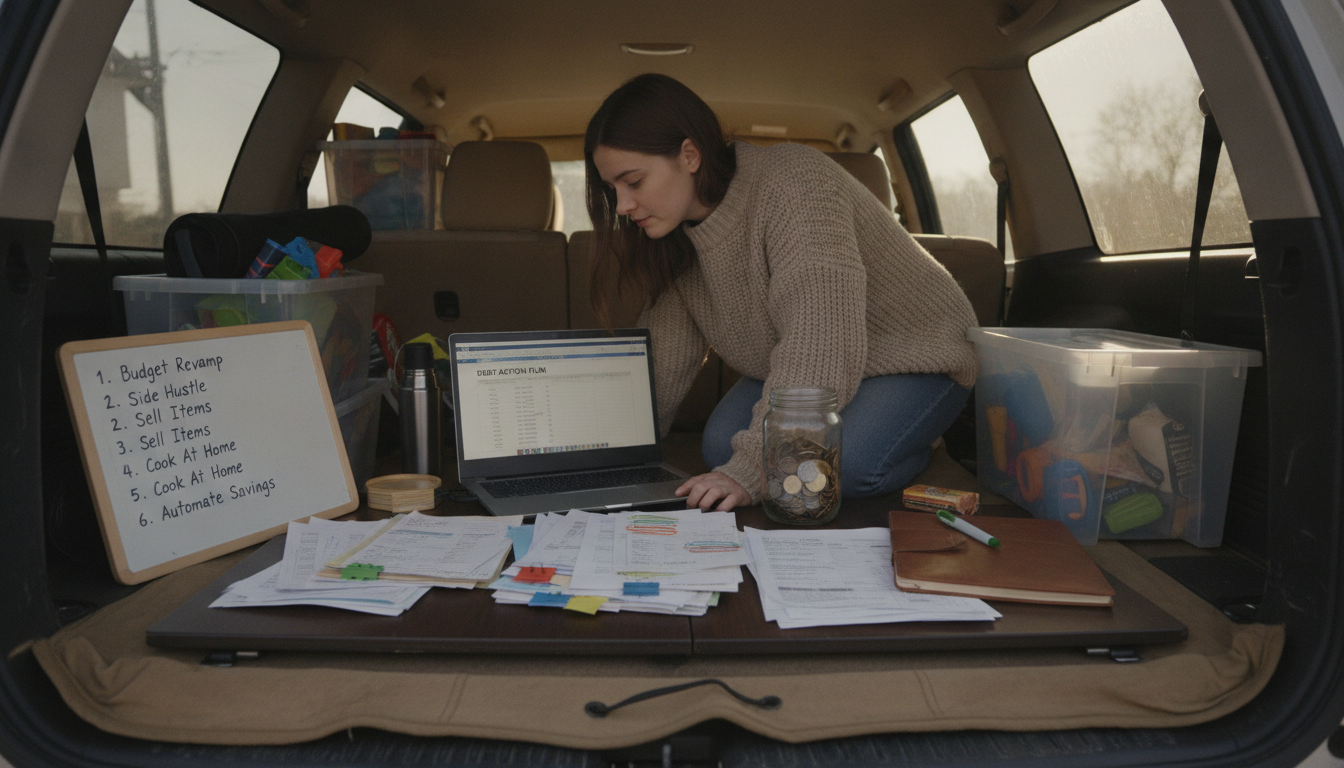
How to clear debt fast without a loan?
Clearing debt fast without taking a new loan comes down to two moves: reduce what you owe as efficiently as possible and free up cash to pay it down aggressively. The quickest path usually isn’t “finding more credit”—it’s getting organized, cutting the most expensive debt first, and creating immediate breathing room through negotiation and short-term cash actions.
Fast steps to pay off debt without borrowing
1) List every debt and rank by interest rate
Write down balances, minimum payments, due dates, and APRs. Prioritize the highest-interest debt first (often credit cards or payday-style products) while paying minimums on everything else. This prevents interest from undoing your progress.
2) Choose a payoff method you can stick with
The “avalanche” method (highest APR first) is typically fastest and cheapest. If motivation is the biggest hurdle, the “snowball” method (smallest balance first) can build momentum—just commit to rolling each paid-off minimum payment into the next debt.
3) Cut expenses for 14–30 days and redirect every dollar
Pause non-essentials, renegotiate bills (phone, internet, subscriptions), and switch to a bare-bones grocery plan. Even a temporary “financial sprint” can create a meaningful lump-sum payment.
4) Call creditors and ask for immediate relief
Request a lower APR, a hardship plan, or a fee waiver. If you’re behind, ask to bring the account current with a structured plan. Get terms in writing and confirm whether payments will be reported as on-time.
5) Turn assets into cash quickly
Sell unused items, return unneeded purchases, and consider a short-term side gig. Treat all extra income as “debt-only” money until you’re stable.
6) Stop new debt at the source
Remove stored card details, lower credit limits if needed, and set up automatic minimum payments to avoid late fees. The goal is to prevent backsliding while you attack balances.
For a focused, day-by-day approach—especially if high-cost payday-style debt is involved—follow the step plan here: https://glivis.com/guide-escape-payday-loan-debt-14-day-plan-ai-tools/.
FAQ
Should I pay off collections first or current accounts?
Keep current accounts current first to avoid new late fees and damage, then address collections strategically—starting with any that could sue or are reporting heavily. If possible, negotiate a settlement or payment plan in writing before sending money.
















Leave a comment