Toddler Mealtime Behavior: Calm Routines That Work
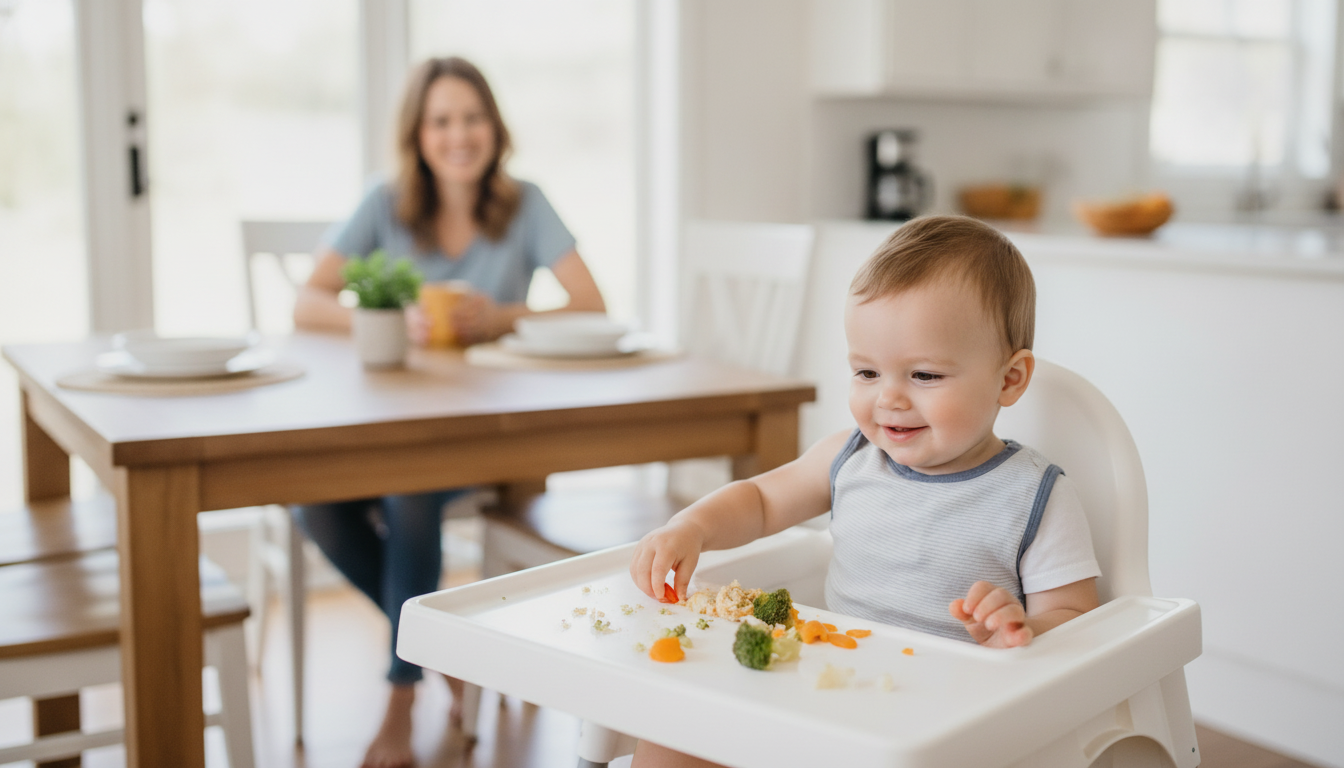
Small Bites, Big Wins: Practical Toddler Mealtime Behavior Tips for Calm, Stress-Free Family Meals
Toddler meals can swing from peaceful to chaotic in seconds—spills, refusals, power struggles, and endless snack requests. A calmer routine comes from predictable structure, simple boundaries, and low-drama responses that support a toddler’s need for autonomy while keeping adults in charge of the setting. Use the steps below to reduce battles, build steadier eating habits, and make family meals feel manageable again.
Why toddler mealtime behavior gets intense (and why it’s not “bad manners”)
Most “difficult” toddler behavior at the table is normal development showing up in a high-pressure moment.
- Independence is the job right now. “No” and limit-testing are how toddlers practice autonomy, not a personal attack.
- Appetite isn’t consistent. Growth spurts, activity, sleep, teething, and illness can dramatically change how much they eat day to day.
- New foods feel risky. Food neophobia (caution around unfamiliar foods) is common; repeated, pressure-free exposure typically works better than negotiation.
- Big feelings spill into eating. A toddler who’s tired, overstimulated, or overly hungry may grab, yell, or melt down—hunger can look like irritability.
- Pressure turns food into control. When adults push bites, compare siblings, or use rewards/penalties, mealtime becomes a “who wins” scenario instead of a feeding moment.
For nutrition guidance and realistic expectations by age, helpful references include American Academy of Pediatrics (HealthyChildren.org) and the CDC infant and toddler nutrition hub.
Set the stage: environment tweaks that prevent problems
Small setup changes can reduce the triggers that lead to throwing, whining, or constant getting up.
- Support posture. Use a stable high chair or booster and make sure feet are supported. When the body feels steady, toddlers regulate better.
- Limit distractions. Turn off TVs, put phones away, and keep toys off the table to avoid “one more thing” battles.
- Start with small portions. Tiny starter servings reduce overwhelm and waste. Offer seconds when asked.
- Use predictable timing. Aim for meals/snacks every 2–3 hours so your toddler arrives hungry but not frantic.
- Include one “safe” food. A familiar option lets your child eat something without pressure, making it easier to tolerate new items nearby.
Boundaries that feel kind (and still hold firm)
Clear roles lower power struggles. A widely used approach is the Division of Responsibility in feeding: adults handle structure; children handle intake decisions. (See the Ellyn Satter Institute for the framework.)
- Adults decide what, when, and where. The child decides whether and how much to eat from what’s offered.
- Keep rules simple. Examples: “Food stays on the table,” “Bottom stays on the chair,” and “All done means the meal is over.”
- Use brief statements. Say it calmly, repeat once, then follow through—no long lectures.
- Skip bite bargaining. “Just one bite” often turns eating into a contest and can blunt internal hunger cues.
- End neutrally. If your child is done, clear the plate without drama. Avoid immediately replacing dinner with snack foods.
A simple routine that lowers stress for everyone
Toddlers cooperate more when the sequence is predictable and the grown-up energy stays steady.
- Start with connection. A 10–20 second “hello” (hug, quick song, short chat) before sitting can reduce attention-seeking behavior.
- Preview what’s next. “First dinner, then bath.” Clear sequencing helps toddlers tolerate limits.
- Keep it time-limited. Many toddlers do best with about 15–25 minutes. Long meals invite boredom and mess-making.
- Add one tiny helper job. Napkins on the table, stirring, or placing forks increases buy-in without turning dinner into a project.
- Close with a cue. A consistent ending phrase (“All done—plates to the counter”) reduces lingering negotiations.
Calm mealtime routine blueprint (copy and adjust)
| Moment | Adult job | Toddler job | If behavior escalates |
|---|---|---|---|
| 2 minutes before | Give a heads-up; wash hands; set timer | Walk to table; help carry napkins | Offer one choice: “Walk or hop to the sink?” |
| Serving food | Serve small portions; include a safe food; sit down | Explore/serve self when possible | Narrate neutrally: “Food is for eating. If you’re done, you can say ‘all done.’” |
| During meal (15–25 min) | Model eating; light conversation; hold boundaries | Eat as able; request more; practice manners slowly | Redirect once; then follow through (remove thrown food, end meal if needed) |
| All done | Clear plates; no pressure; water available | Signal all done; wipe hands; brief cleanup | Keep calm: “Meal is over. Next snack is after playtime.” |
Handling common toddler mealtime challenges without a battle
Phrases that de-escalate fast (and what to avoid saying)
A ready-to-use toolkit for calmer meals
- Product spotlight: Small Bites, Big Wins – A Practical Guide to Toddler Mealtime Behavior Tips, Calm Family Meals & Stress-Free Eating Routines
- For busy-family organization beyond the dinner table: Rental Car Insurance Survival Checklist | Insurance for Rental Cars What You Need | Printable Travel Planning Checklist
- Another quick, low-lift download for household decision-making: Calling Your Pet: Cute vs. Classic – A Smart Guide to Choosing Cute vs Serious Pet Names with Confidence
FAQ
How long should a toddler sit at the table for a meal?
A typical range is about 15–25 minutes depending on age and temperament. Keeping it consistent (a timer can help) makes the boundary predictable, and the meal can end calmly when time is up.
What should happen if my toddler refuses dinner and asks for snacks later?
Close dinner without drama, offer water, and wait until the next planned snack time. Avoid replacing dinner with immediate snack foods so your toddler learns the routine is steady and predictable.
Is it okay to offer dessert as a reward for eating?
Linking dessert to bites often increases power struggles and can make sweets feel more valuable than the meal. Dessert can be offered occasionally as part of the meal or as a separate planned snack without tying it to how much was eaten.













Leave a comment