Kids Pet Chores Made Easy: A Clear Care System
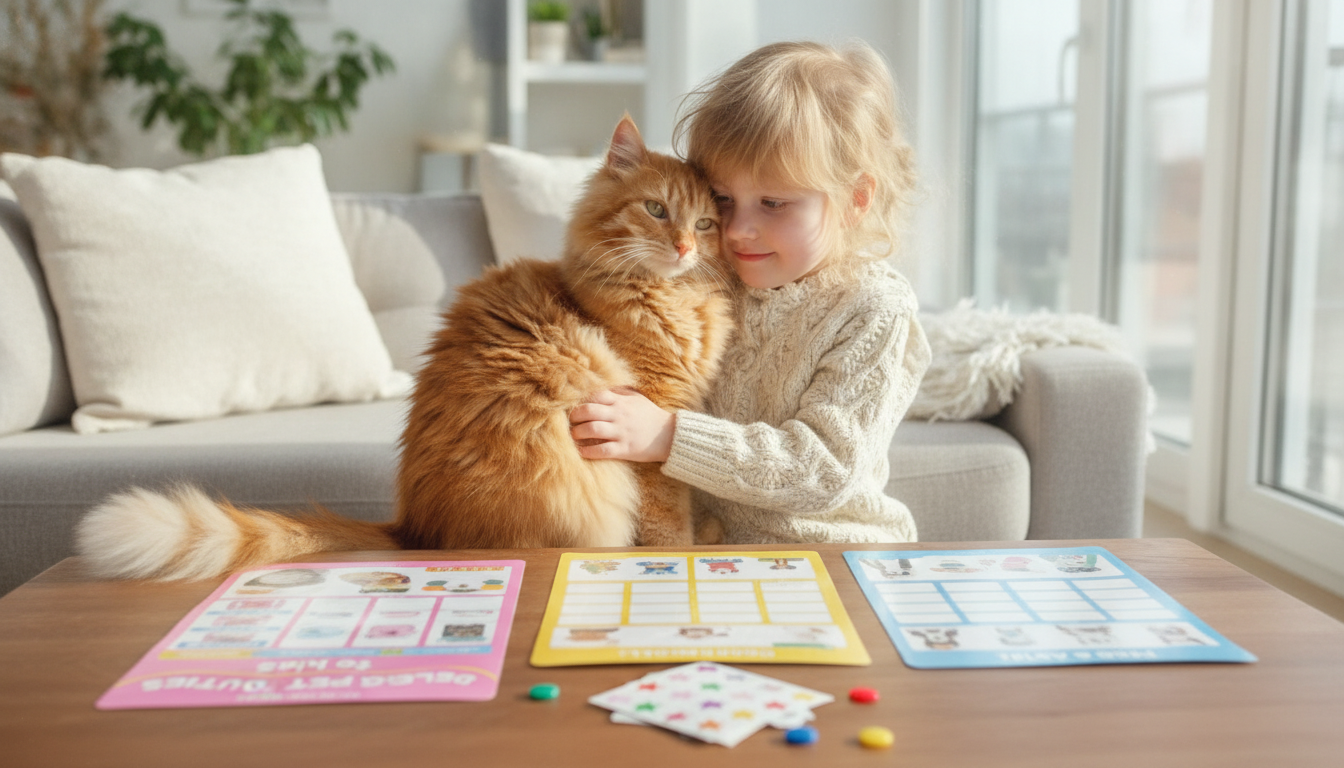
Delegating Pet Duties to Kids with a Clear System: A Stress-Free Family Routine
When pet care is handled “whenever someone remembers,” it usually lands on the same adult every day. A clear, repeatable system turns pet duties into predictable routines kids can manage—without safety risks, missed feedings, or daily nagging. This guide lays out an age-appropriate responsibility plan, simple checklists, and a practical handoff method so the pet is cared for and kids build consistency.
Why pet care breaks down in busy families
Most “pet chore problems” aren’t about kids being irresponsible—they’re about the routine being invisible and undefined.
- Unclear ownership: kids hear “help with the dog,” but not exactly what, when, or how to confirm it’s done.
- Tasks aren’t sized to age: too hard feels overwhelming; too easy feels pointless.
- No verification step: bowls look full, but water may be stale; litter may be scooped but not fully cleaned.
- Inconsistent timing: feeding and potty schedules drift, creating behavior issues and frustration.
- Competing routines: mornings and evenings need “default actions” that happen even when schedules change.
A predictable system protects the pet’s routine (and health) and removes decision fatigue for everyone. For family safety and hygiene basics, the CDC’s Healthy Pets, Healthy People guidance is a solid reference point.
The clear-system approach: responsibilities, triggers, and proof
Think of pet care like a relay: each person knows what they carry, when they grab it, and how the next person can see it’s complete.
- Responsibilities: define the exact task, supplies needed, and what “done” looks like.
- Triggers: attach each duty to a routine moment (after breakfast, after school, before bed) instead of a vague time.
- Proof: a quick check-in step (initials on a tracker, photo for older kids, or a parent spot-check) to prevent rework.
- Backup plan: a named fallback person if a child is sick, at practice, or away overnight.
- Reset habit: a 2-minute daily reset (restock food, replace poop bags, wipe mat) keeps the system from collapsing.
If you want a ready-to-use setup with consistent language kids can follow, consider Delegating Pet Duties to Kids with a Clear System – 3-in-1 Bundle for Stress-Free Pet Care. Placing the tracker where the task happens (pantry, mudroom, or by the litter area) makes the routine automatic instead of parent-powered.
Age-appropriate pet duties (with safety boundaries)
Match tasks to both the child’s ability and the pet’s temperament. A calm cat and a reactive dog require very different guardrails. The AVMA’s Pets and Kids resource offers helpful reminders about supervision and safe interactions.
| Age range | Good starter duties | Adult-only or supervised |
|---|---|---|
| 3–5 | Refill water (small pitcher), pet toy pickup, gentle brushing | Leash handling, poop pickup, meds |
| 6–8 | Feed with pre-measured cup, rinse bowls, help prep for walk | Solo walking, trimming nails, meds |
| 9–12 | Scoop litter daily, training games, restock supplies | Heavy lifting, full deep cleans unsupervised, meds |
| 13+ | Walks where appropriate, schedule-based cleaning, routine tracking | Any medical decisions, dosing changes, handling severe behavior issues |
Hard boundaries: medication dosing, handling aggressive/anxious pets, and any risky equipment stays with an adult unless specifically cleared by your veterinarian and you’ve trained the child step-by-step.
Build your weekly routine in 15 minutes
A fast setup works best when you separate “daily essentials” from “weekly maintenance,” then assign a primary and backup for each. If you’re starting from scratch, keep the first week simple.
- List daily essentials: food, fresh water, potty/litter, quick home check (toys, accidents, gates/doors).
- Add weekly essentials: nail check, bedding wash, litter deep clean, supply refill, quick grooming session.
- Assign a primary + backup for each duty so “who does it?” is never a question.
- Use simple language: one task per line with a clear finish (example: “Dump and rinse water bowl, refill to the line”).
- Keep tools where tasks happen: scoop near litter, measuring cup in food bin, leash on hook by the door.
For dogs, routine consistency matters as much as the task itself—especially around potty breaks and activity. The ASPCA’s general dog care guidance is a good reminder of the basics to keep stable while you delegate.
Make it stick without daily arguing
The goal is less “nagging” and more “systems that run even when life is loud.” Use small, predictable steps that build trust.
A practical 3-piece toolkit for stress-free delegation
If you want the “set it up once, reuse it weekly” approach, Delegating Pet Duties to Kids with a Clear System – 3-in-1 Bundle for Stress-Free Pet Care is designed for exactly that kind of handoff. And for a fun add-on that helps kids feel more ownership, Calling Your Pet: Cute vs. Classic – A Smart Guide to Choosing Cute vs Serious Pet Names with Confidence can turn naming (or renaming nicknames) into a family ritual that supports training consistency.
FAQ
What pet duties can kids do safely without supervision?
Stick to low-risk, repeatable tasks like refreshing water, pre-measured feeding, toy pickup, and gentle brushing. Safety depends on your pet’s size and temperament and your child’s maturity, so solo walking, medication, and behavior-related handling should remain adult-led unless specifically cleared.
How do you get kids to remember pet chores without constant reminders?
Tie each task to a routine trigger (after breakfast, after school, before bed), use a visible tracker, and include a quick proof step like initials or a spot-check. Start with one duty per child and make small weekly adjustments instead of adding more reminders.
How should pet responsibilities be split between siblings?
Assign a primary and a backup for each essential task so coverage is guaranteed, then rotate “premium” jobs like walking or training games weekly. Keep daily essentials stable so the pet’s routine doesn’t change constantly.
















Leave a comment