Food Walking Tour vs Going Solo: Find Authentic Local Eats

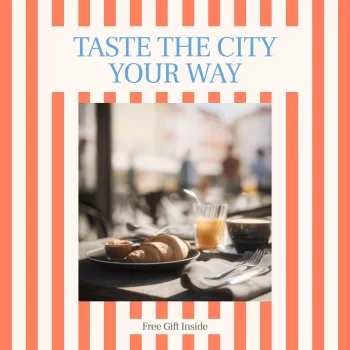
Taste the City Your Way: Food Walking Tour vs Going Alone for Authentic Local Experiences
Authentic food experiences come from good choices: where to go, how to order, when to linger, and how to read a neighborhood without overplanning. Both guided food walking tours and self-led wandering can deliver unforgettable meals—if the approach matches the trip style, comfort level, and time. This guide helps weigh each option, spot quality, and build a flexible plan that still leaves room for serendipity.
What “authentic” really looks like on a plate
“Authentic” is less about a secret address and more about context. A packed lunch counter at 12:30 p.m., seasonal ingredients scribbled on a board, or a menu designed for regulars often tells a more honest story than a viral “hidden gem” label.
Tourist-friendly doesn’t automatically mean inauthentic, either. Some famous spots are famous because they’re consistent, culturally important, and tied to local routines. A better goal is “locally rooted”: dishes that reflect a city’s history, migration patterns, and everyday eating habits.
Quick clues help. Look for menus in the local language (or at least not solely aimed at visitors), short lists of specialties, and repeat customers who order fast without consulting reviews. When a place has one or two signature items and steady turnover, you’re often in the right neighborhood—literally and culturally.
Food walking tours: when guided tastes make the most sense
A good food walking tour compresses time and uncertainty into a manageable half-day. For a one- or two-day stay, it can replace hours of mapping, second-guessing, and commuting with a sequence of stops that actually flow.
The real advantage is context. Guides can explain what you’re eating and why it matters—how a dish evolved, what ingredient substitutions happened over generations, and what locals consider “the right way” to order. That layer is hard to replicate alone, even with great research.
There are practical perks, too: pre-arranged tastings, help with language barriers, knowing whether you queue or pay first, and avoiding awkward missteps in places with unfamiliar formats. Tours can also provide social momentum—especially helpful for solo travelers who want conversation, shared opinions, and a little encouragement to try something new.
The trade-offs are real. The pace is fixed, stops can be influenced by partnerships, and you may not be able to linger when you find a place you love. If slow wandering is the point of the trip, a tightly scheduled crawl can feel like eating on a stopwatch.
Going alone: how to wander with confidence (and eat well)
Quick decision guide: tour, solo, or a hybrid day
| Factor | Food Walking Tour | Going Alone |
|---|---|---|
| Time available | Great for 1–2 days in a city; efficient route | Best with extra time for detours and repeat visits |
| Local context | High: stories, history, dish meaning, etiquette tips | Variable: depends on research and observation |
| Ease of ordering | High: guide handles formats and language | Moderate: easier with a few phrases and screenshots |
| Spontaneity | Low to medium: set pace and stops | High: follow crowds, smells, markets, and mood |
| Budget control | Fixed cost; can be good value if many tastings | Flexible: can be very affordable or splurge-heavy |
| Dietary needs | Depends on operator; must confirm in advance | Flexible: choose places that fit, but requires planning |
| Social element | Built-in group experience | Solo or chosen companions; can feel quieter |
| Risk of tourist traps | Depends on operator quality | Depends on selection habits and neighborhood awareness |
How to spot a high-quality tour (and avoid the cookie-cutter route)
Build a self-guided food walk that feels local
Safety, comfort, and logistics that protect the experience
Food safety is part of enjoying the trip. Favor high-turnover stalls, hot food served hot, and clean prep surfaces; skip risky items when you’re uncertain. The CDC’s guidance is a solid baseline for travelers who want practical reminders about handling and choosing food safely (CDC — Food Safety).
Neighborhood awareness matters, too. Tours can be helpful in unfamiliar areas; solo exploration is often best with daylight routes and clear wayfinding, especially if you plan to hop between neighborhoods. The U.S. Department of State’s traveler health resources are useful for broader planning before you go (U.S. Department of State — Travelers’ Health).
A thoughtful guide to make the choice easier
If you want a ready-to-use framework for picking between a guided route and wandering, see Taste the City Your Way – A Thoughtful Travel Food Guide Exploring Food Walking Tour vs Going Alone for Authentic Local Experiences.
If your food day includes a rental car (for outer neighborhoods, day trips, or late-night returns), Rental Car Insurance Survival Checklist | Insurance for Rental Cars What You Need | Printable Travel Planning Checklist can help you confirm coverage, documentation, and the small details that keep logistics from stealing the spotlight.
FAQ
Are food walking tours worth it for authentic local food?
They’re worth it when time is short, context matters, or ordering feels intimidating. Look for tours that name specific neighborhoods, keep groups small, and offer a clear mix of tastings beyond just sweets.
How can a traveler avoid tourist traps when eating alone?
Prioritize high-turnover spots, specialty-focused menus, and places with repeat local customers. Don’t rely only on ratings; look for neighborhood patterns like markets, lunch counters, and commuter streets where locals eat quickly and often.
What’s the best hybrid approach—tour plus solo exploring?
Do a tour early in the trip to learn dishes, etiquette, and how ordering works, then revisit the best stops on your own. Build self-guided walks around markets, bakeries, and one neighborhood per outing so you have structure without losing spontaneity.















Leave a comment