Cortisol and Belly Fat: 14-Day Stress Reset Plan
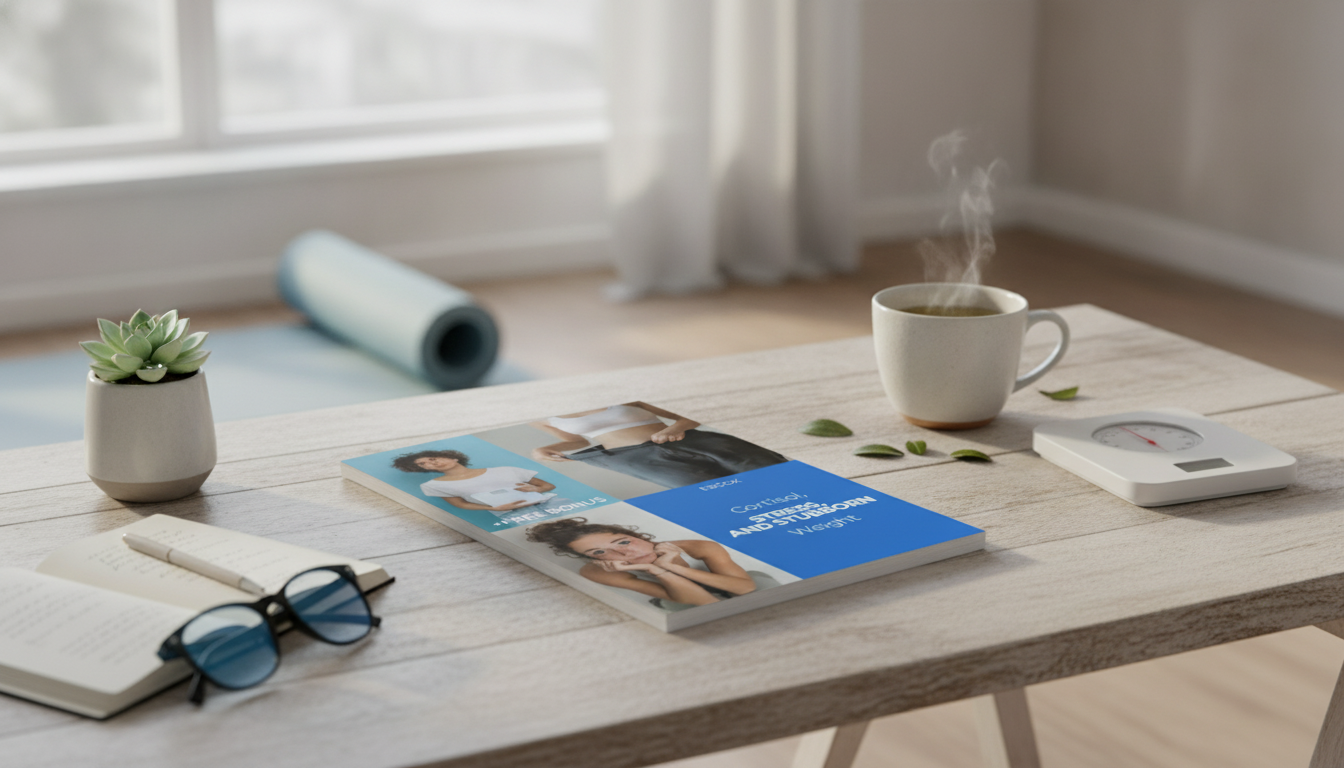
Cortisol, Stress, and Stubborn Weight: A Practical Guide to Calming Stress Hormones and Reducing Belly Fat
When stress stays high for weeks or months, cortisol can quietly reshape appetite, sleep quality, cravings, and even where fat is stored—often around the midsection. The goal isn’t to “eliminate stress” (not realistic), but to regulate stress signals, improve recovery, and build repeatable daily habits so cortisol doesn’t run the show.
Why stress can make weight feel “stuck”
Cortisol is a normal hormone that helps the body respond to challenges. The problems tend to show up when levels stay elevated or the day-night rhythm gets flattened. In that state, weight loss can feel harder even when you’re “doing everything right.”
- Hunger and cravings rise: Chronic stress can boost hunger cues and preference for calorie-dense foods—especially when sleep is short.
- Movement drops without noticing: High stress can reduce non-exercise activity (NEAT), like walking, fidgeting, and errands, and it can also reduce training consistency.
- Central fat can be more responsive to stress signals: Belly fat is metabolically active and has more cortisol receptors, which may contribute to midsection weight gain in some people.
Cortisol basics: what it does and what “healthy rhythm” looks like
Cortisol isn’t “bad.” It supports blood sugar regulation, blood pressure, inflammation control, and wakefulness. What matters most is timing.
- Typical pattern: Higher in the morning, gradually lower toward evening. Late-night elevation can interfere with sleep and recovery.
- Normal spikes: A hard workout or stressful meeting can cause a short rise that returns to baseline. The common issue is persistent elevation paired with poor recovery.
- Know the red flags: Unexplained bruising, severe weakness, new purple stretch marks, rapid unexplained weight gain, or other symptoms suggesting endocrine disorders warrant a clinician visit.
For deeper background, see Harvard Health’s overview of cortisol and the stress response: Harvard Health Publishing — The stress hormone cortisol.
Common drivers of high cortisol and belly fat patterns
Most “stubborn” patterns come from a few predictable levers that stack together:
- Sleep debt and irregular schedules: Late bedtimes, inconsistent wake times, and frequent awakenings can keep the body in a higher-alert state.
- Overtraining or under-recovering: High intensity too often, low calories, and minimal rest days can push fatigue higher than fitness.
- Caffeine timing and dose: Late-day caffeine or high total intake can worsen anxiety and disrupt sleep, creating a loop.
- Diet patterns that amplify stress physiology: Very low protein, highly refined carbs with minimal fiber, frequent alcohol use, and inadequate total calories.
- Ongoing psychological stress: Caregiving load, job strain, financial stress, loneliness, trauma, and lack of downtime.
A 14-day reset plan: stabilize sleep, meals, and nervous system signals
Two weeks is long enough to feel meaningful change in sleep quality, cravings, and day-to-day steadiness—without trying to overhaul your entire life at once.
- Set a consistent wake time: Keep it steady even on weekends. Shift bedtime earlier gradually in 15–30 minute steps.
- Protein-forward breakfast: Eat within 1–2 hours of waking (eggs, Greek yogurt, tofu scramble) to reduce mid-morning cravings.
- Balance meals: Build around protein + fiber + healthy fats to smooth blood sugar swings that can amplify stress and hunger.
- Daily decompression ritual: 10 minutes of slow breathing, a short outdoor walk, journaling, or a screen-free wind-down.
- Simple caffeine rule: No caffeine after lunch (or at least 8 hours before bed) and keep total intake moderate.
Cortisol-supportive daily routine (example template)
| Time window | Goal | What to do | Why it helps |
|---|---|---|---|
| Morning | Anchor the day | Bright light + water + protein-based breakfast | Supports circadian rhythm and steadier appetite |
| Midday | Move and refuel | 10–20 min walk + balanced lunch (protein/fiber) | Improves glucose handling and lowers stress tension |
| Afternoon | Prevent the crash | Hydration + protein snack if needed; keep caffeine early | Reduces late-day cravings and nighttime overeating |
| Evening | Downshift | Lower lights, limit alcohol, 5–10 min breathing or stretching | Encourages cortisol decline and better sleep quality |
| Night | Protect sleep | Cool room, consistent bedtime, screens off 60 min prior | Improves recovery hormones and next-day hunger control |
Nutrition that supports fat loss without stressing the body
Training for stubborn belly fat: emphasize recovery and consistency
Stress skills that lower cortisol load over time
When to test cortisol and what to discuss with a clinician
Authoritative references on Cushing’s syndrome and evaluation: NIDDK — Cushing’s Syndrome and Endocrine Society — Cushing’s Syndrome.
A guided resource for building a simple, sustainable plan
If a step-by-step structure helps you follow through, a focused guide can reduce guesswork by connecting stress biology to daily routines and clear checklists. For a practical, organized approach, explore Cortisol, Stress, and Stubborn Weight: A Complete Guide to Managing Stress, Cortisol, and Belly Fat.
To lower decision fatigue during busy seasons (a common stress trigger), a simple planning tool can also help keep tasks from piling up. Consider the Rental Car Insurance Survival Checklist for travel planning when logistics are part of your stress load.
FAQ
Can high cortisol really cause belly fat?
High cortisol doesn’t automatically cause weight gain, but chronic elevation—especially alongside poor sleep—can increase appetite, cravings, and tendencies toward central fat storage. A whole-lifestyle approach (sleep, nutrition, training recovery, and stress skills) usually works better than any single tactic.
How long does it take to lower cortisol and see changes in stubborn weight?
Many people notice improvements in sleep quality and cravings within 1–2 weeks when routines become consistent. Visible fat loss typically takes several weeks and depends on a modest, sustainable calorie deficit and steady habits.
What are the best daily habits for lowering stress-related cravings at night?
Start with a protein-and-fiber dinner, an earlier caffeine cutoff, and a consistent wind-down routine. A short walk after dinner, reduced alcohol, and 5 minutes of slow breathing can also make nighttime cravings easier to manage.
















Leave a comment