Cash vs Financing a Car: 6 Steps to Choose Smart
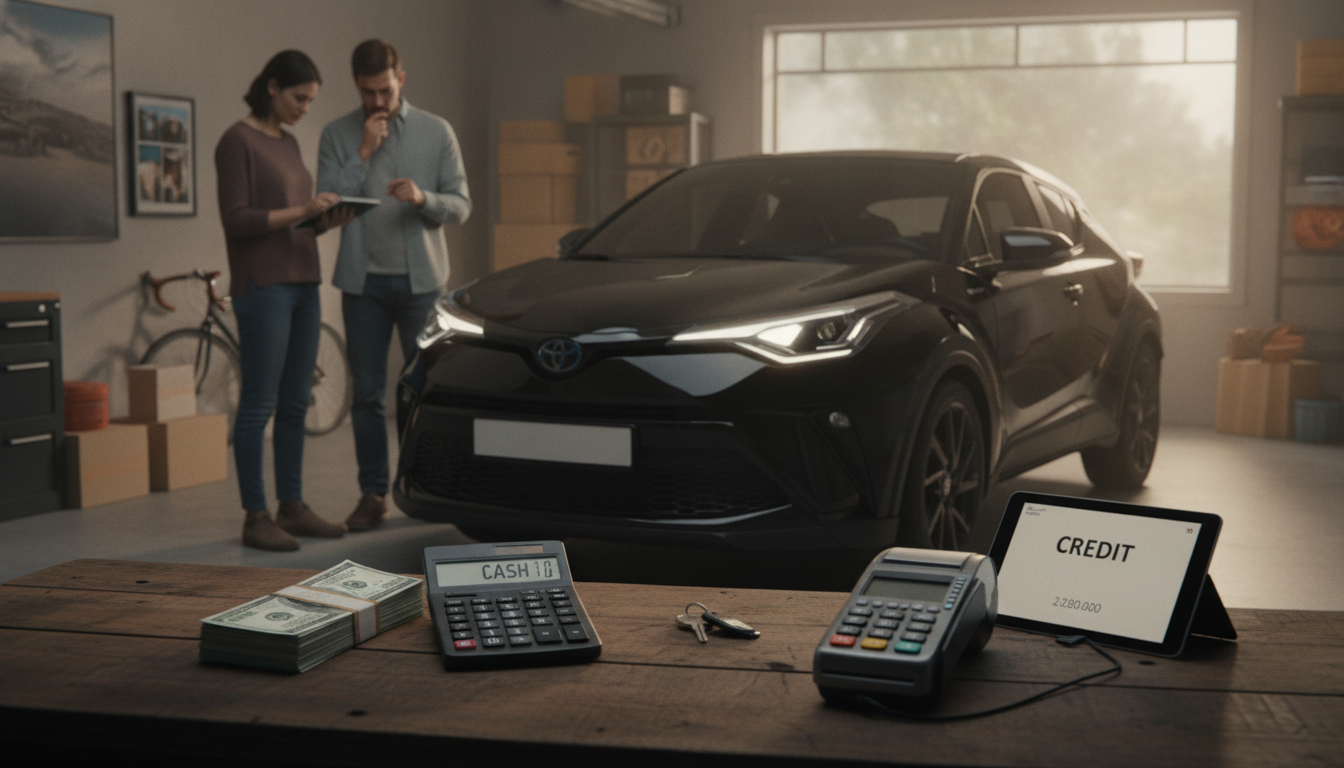
Car buying gets cheaper and less stressful when the payment plan is decided before stepping onto a lot. Use the steps below to compare paying cash versus financing, protect monthly cash flow, and negotiate from a position of clarity—whether buying new or used.
Step 1: Set a total budget that includes more than the sticker price
Start with a hard ceiling: your maximum “out-the-door” number. This should include the vehicle price plus sales tax, registration, documentation fees, and any required add-ons. Dealers can present a “great price” that quietly grows once fees and extras appear, so the out-the-door cap keeps the deal grounded.
Next, estimate ownership costs for the first 12–24 months: insurance, fuel or charging, routine maintenance, tires, parking, and the probability of repairs. A used car with a tempting price can become expensive quickly if it needs brakes, tires, or a suspension fix early on.
Even if paying cash, decide a monthly comfort range. A cash purchase can still “act like” a huge monthly bill if it drains savings and forces you to reduce retirement contributions, postpone home repairs, or rely on credit cards afterward.
Finally, build a buffer for year one. Common surprises include higher insurance premiums on newer models, repairs on used vehicles, or the need to refinance later if rates shift. A buffer helps prevent a smart purchase from becoming a fragile one.
Step 2: Choose the role of cash in the plan (down payment vs. full purchase)
Separate emergency savings from car funds. Emergency savings are not “extra cash”—they’re protection against job disruption, medical bills, or urgent home repairs. If paying cash, decide the maximum you’ll spend while keeping that emergency fund intact (often 3–6 months of essential expenses).
If financing, set a down payment target that lowers the loan size without draining reserves. A higher down payment can reduce monthly payment, total interest, and the risk of owing more than the car is worth. But if it leaves you cash-poor, it can create bigger problems than the interest you avoided.
A practical middle path is a hybrid: put more down than the minimum and choose a shorter term. This can cut total interest while preserving liquidity for life’s surprises.
Step 3: Get financing ready before shopping
Before you shop, check your credit reports for errors and address issues early. Small corrections can affect your rate, and a better rate can change the cash-versus-credit math. Experian’s overview of rate factors is a helpful starting point: https://www.experian.com/blogs/ask-experian/category/credit-advice/auto-loans/.
Then, shop for preapproval with banks, credit unions, and reputable online lenders. Preapproval gives you a baseline APR and terms, and it limits the chance of making an emotional decision on the lot. It also helps you compare dealer financing honestly rather than focusing only on a monthly payment pitch.
Be careful with term length. Longer terms can reduce the payment, but they typically increase total interest and keep you in negative equity longer. For plain-language guidance on loan shopping and costs, the CFPB auto loan resources are useful: https://www.consumerfinance.gov/consumer-tools/auto-loans/.
Financing choices compared
| Option | Best for | Watch-outs | Preparation tip |
|---|---|---|---|
| Credit union preapproval | Competitive rates and straightforward terms | Membership requirements; limited branch access in some areas | Bring proof of income and insurance quote estimates |
| Bank/online lender preapproval | Fast rate comparisons and flexible application | Rate can change with credit or vehicle details | Lock key terms in writing when possible |
| Dealer financing | Convenience and potential manufacturer promos | Add-ons and term stretching can inflate cost | Use preapproval as leverage and compare line-by-line |
Step 4: Decide cash vs. credit using a simple cost-and-risk test
To compare fairly, calculate the all-in financing cost: the out-the-door price plus total interest over the full term. Then compare that number to your cash option (including what you give up by spending the cash today).
Step 5: Negotiate the deal in the right order
Use competing offers. When you can compare price sheets and financing terms side-by-side, it’s easier to spot inflated doc fees, add-on packages, or term stretching. The FTC’s car-buying guidance is a solid reference for common pitfalls and decision points: https://consumer.ftc.gov/articles/buying-owning-car.
Step 6: Protect the plan after purchase
A practical checklist for smart car buyers
Helpful digital guides (in stock)
- Cash or Credit? The Smart Way to Buy Your Next Car – A Step-by-Step Guide for Smart Car Buyers
- Rental Car Insurance Survival Checklist | Insurance for Rental Cars What You Need | Printable Travel Planning Checklist
FAQ
Is it better to pay cash or finance a car?
The better option depends on emergency savings, the loan APR, income stability, and the total cost of borrowing. If financing keeps your emergency fund intact and the APR is reasonable, credit can be the safer “resilience” choice; if the APR is high, paying cash (or putting more down) often wins.
How much should the down payment be on a car loan?
A common practical range is 10%–20%, but the right number depends on your credit score, trade-in value, term length, and how quickly the car will depreciate. Prioritize avoiding negative equity while keeping an emergency fund intact.
What loan term is safest for avoiding negative equity?
Shorter terms are generally safer because the balance drops faster than the car depreciates, especially with a solid down payment. Stretching to long terms increases the chance you’ll owe more than the vehicle is worth for a larger portion of the loan.
















Leave a comment