Car Donation Tax Deduction Checklist: Steps & Forms
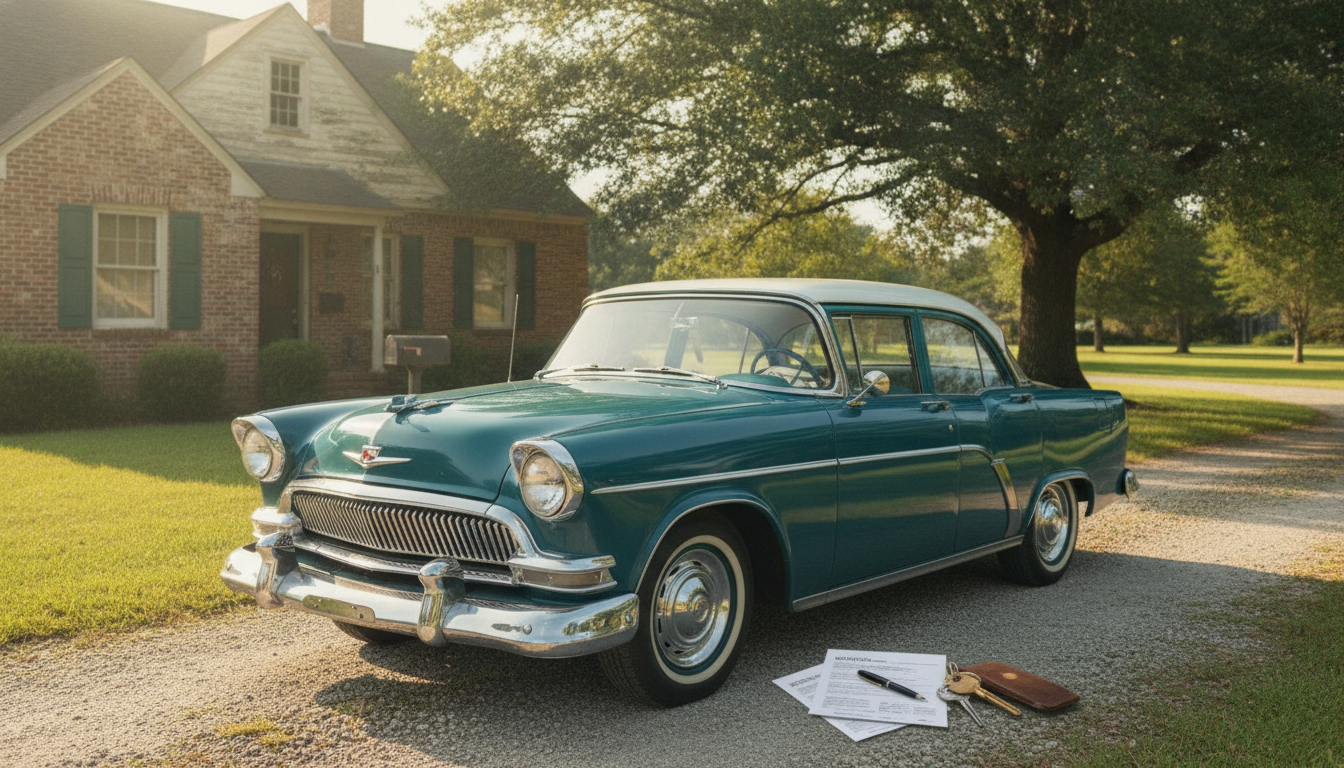
Turn an Old Car Into a Smart Tax Move: A Complete Checklist for Donating Your Car to Charity for a Tax Write-Off
An unused vehicle can become a meaningful donation and a potential tax benefit—if the steps, paperwork, and valuation rules are handled correctly. A car donation is one of those transactions where the “easy” part (handing over the keys) is rarely the part that determines your deduction. What matters most is whether you’re eligible to deduct, whether the charity is qualified, how the charity uses the vehicle, and whether your documentation matches what the IRS expects.
Use the checklist flow below to keep the process clean from start to finish—and to avoid the most common filing-season surprises.
Start With Eligibility: When a Car Donation Can Reduce Taxes
A vehicle donation can be deductible, but only if the basics line up.
For IRS guidance on the federal rules that apply specifically to vehicle donations, review the official IRS page: IRS — Donating a Car to Charity.
Pre-Donation Checklist: Pick the Right Charity and Confirm It’s Qualified
- Verify tax-exempt status through the IRS Tax Exempt Organization Search and confirm the organization can accept vehicle donations in your area.
- Ask how the charity will handle the car: keep and use it, transfer it to someone in need as part of a program, or sell it. This choice impacts the amount you can deduct and the exact wording required in your acknowledgment.
- Confirm whether towing is free, how quickly pickup is scheduled, and what you’ll receive after pickup versus after the vehicle is sold.
- Avoid vague “donation programs” that won’t clearly identify the recipient charity or can’t explain when you’ll receive the required written acknowledgment.
Charity vetting quick checks
| What to confirm | Why it matters | What to ask for |
|---|---|---|
| Qualified nonprofit status | Only qualified organizations support a deductible gift | IRS listing or EIN and legal name |
| Vehicle disposition (sell vs. use) | Determines whether deduction is based on sale proceeds or fair market value rules | Written explanation of intended use |
| Documentation timeline | Late/missing forms can block the deduction | When Form 1098-C or written acknowledgment will arrive |
| Pickup and title handling | Improper transfer can create liability or fees | Clear instructions for title release and receipt at pickup |
If you want a single-page workflow you can save and reuse, Turn an Old Car Into a Smart Tax Move: downloadable checklist keeps the charity verification, donation-day steps, and tax-time documents in one place.
Vehicle Readiness Checklist: Title, Keys, Personal Items, and Condition Notes
Valuation Basics: What the Deduction Is Usually Based On
Fair market value is not the highest online listing price. It’s what a willing buyer would pay a willing seller, considering condition, mileage, and local market reality. For broader guidance on charitable contribution rules and substantiation, see IRS Publication 526.
Common outcomes and what supports the deduction
| What the charity does | Typical deductible amount | Key documents to keep |
|---|---|---|
| Sells the vehicle | Usually the gross sale proceeds | Form 1098-C or written acknowledgment stating sale and proceeds |
| Keeps and uses it | May support fair market value (if requirements are met) | Written acknowledgment describing intended use and duration |
| Makes significant improvements then sells/uses | May support fair market value (if requirements are met) | Acknowledgment describing improvements and use |
| Transfers to a needy individual as part of program | May support fair market value (if requirements are met) | Acknowledgment describing the transfer under charitable program |
Donation Day Checklist: Pickup, Receipts, and Title Transfer
Tax Filing Checklist: Forms, Substantiation, and Timing
Document checklist for a clean paper trail
| Document | When you get it | Why it matters |
|---|---|---|
| Pickup receipt / initial acknowledgment | At donation or shortly after | Proves date, charity identity, and vehicle description |
| Form 1098-C or compliant written acknowledgment | After sale/use determination | Supports the deductible amount and required statements |
| Photos, condition notes, mileage | Before donation | Helps substantiate the vehicle’s condition and supports valuation claims |
| Form 8283 (if required) | At filing time | Required for certain noncash contribution amounts |
| Appraisal (if required) | Before filing deadlines | Required for certain higher-value claims |
Avoid These Mistakes That Can Reduce or Eliminate the Deduction
Printable Checklist Option
For a ready-to-use version, see Turn an Old Car Into a Smart Tax Move: A Complete Checklist for Donating Your Car to Charity for a Tax Write-Off. If you also want an auto-related planning companion for trips after you’ve cleared driveway space, Rental Car Insurance Survival Checklist helps you sort coverage decisions before you get to the counter.
FAQ
Can a car donation be deducted if the vehicle doesn’t run?
Yes. Many charities accept non-running vehicles, but the tax benefit still depends on itemizing and on the charity’s written acknowledgment—often tied to the vehicle’s sale proceeds. Make sure the title transfer and documentation are handled correctly.
Is the tax deduction based on what the car is worth or what the charity sells it for?
Often, when the charity sells the vehicle, the deductible amount is generally limited to the gross sale proceeds shown on Form 1098-C or a compliant acknowledgment. Exceptions can apply if the charity uses the car for its charitable purpose, makes significant improvements, or transfers it to a needy person under a charitable program, and the acknowledgment must specifically support that outcome.
What paperwork should be kept after donating a car?
Keep the pickup receipt, Form 1098-C or a compliant written acknowledgment, copies of title transfer paperwork, and your photos/condition notes. If required based on your situation, keep Form 8283 and any qualified appraisal documentation with your tax records.
















Leave a comment