Budget Style Hacks: Outfit Rules That Look Expensive
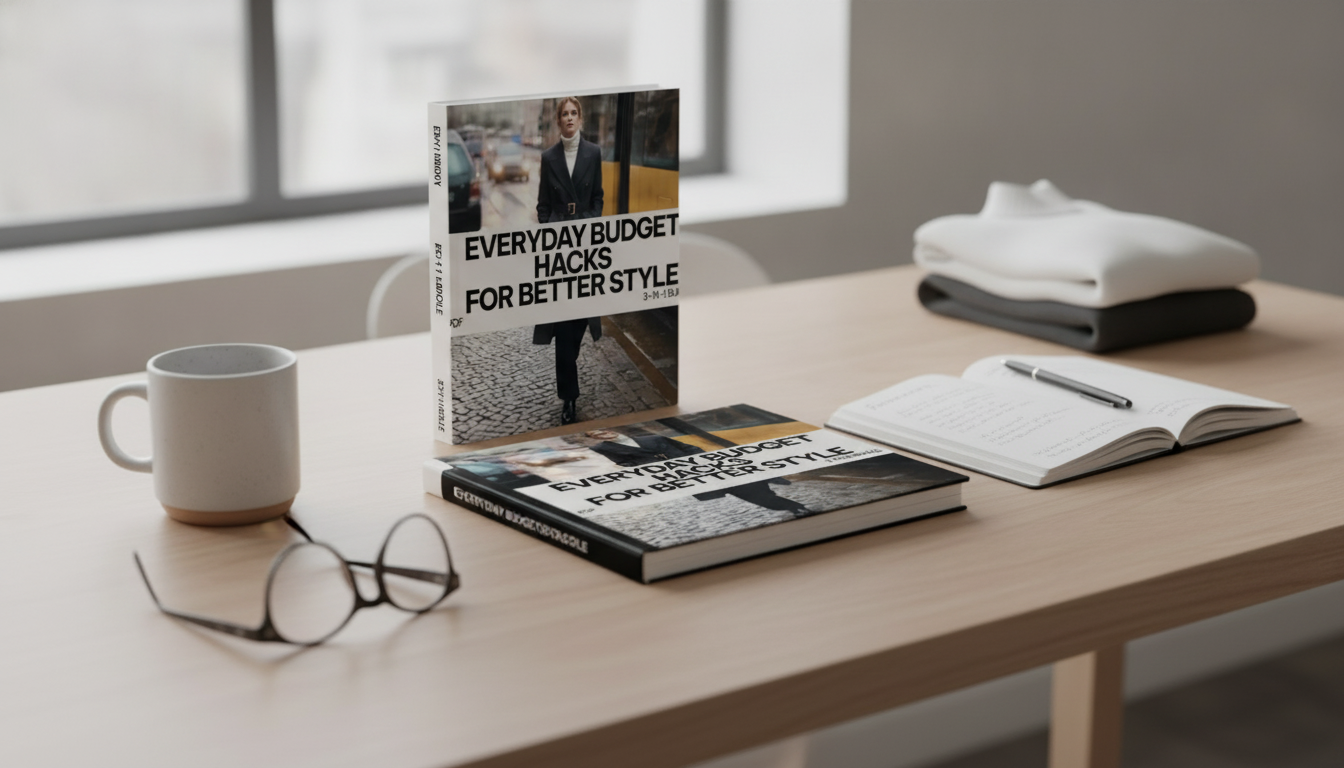
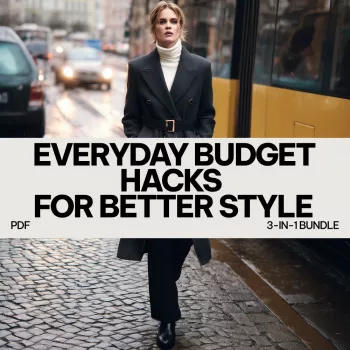
Everyday Budget Hacks for Better Style: Look Put-Together Without Overspending
Better style rarely comes from buying more—it comes from choosing well, repeating outfits confidently, and making small upgrades that read as intentional. The goal is a practical system: simple rules that sharpen outfits, reduce shopping mistakes, and stretch the value of what’s already in the closet—so daily style feels easier, not more expensive.
Why “budget style” works when it’s a system, not a shopping spree
A budget-friendly wardrobe looks elevated when it’s built around repeatable decisions instead of random one-off purchases. The most reliable approach is to treat style like a set of outfit rules—fit, proportion, color, and finishing touches—so getting dressed is less guesswork and more routine.
- Use outfit rules, not trends: When the fit is right and the silhouette makes sense, even basics look intentional.
- Rely on a small set of “known winners”: Repeating great pieces reads as personal style, not repetition.
- Spend where it shows: Shoes, outerwear, bags, and tailoring create the strongest first impression; keep the rest streamlined.
- Track what gets worn: Noticing your real-life favorites helps avoid “maybe” purchases that quietly drain money and space.
What the 3-in-1 bundle helps solve (common style pain points)
Most wardrobe frustration isn’t about having “nothing to wear”—it’s about missing the connections that turn clothes into outfits. A guided system helps when the closet is full but the results still feel unfinished.
- Closet feels packed, but outfits feel repetitive or not quite done.
- Impulse buys look great alone but don’t match anything at home.
- Inconsistent fit across brands leads to returns and unworn “almost right” items.
- Uncertainty about which upgrades make the biggest difference for the least cost.
- Wanting a more polished look for work, errands, travel, or social plans without a full overhaul.
Start with a 30-minute closet reset that unlocks more outfits
A quick reset can reveal more outfit options than another shopping cart ever will. The key is to pull your best repeat pieces forward and identify the few gaps that block multiple looks.
- Pull out 10 wins: Pieces that fit well and get worn often become your anchor for outfit formulas.
- Identify 3 outfit blockers: Examples: a comfortable neutral shoe, a layering piece for temperature swings, a belt that adds shape.
- Create a “maybe later” bin: Items that fit but require experimenting—revisit after two weeks with fresh eyes.
- Remove morning friction: Hang complete outfits together (top + bottom + layer) for fast decision-making.
- New purchase rule: Buy only if it completes at least 3 outfits with what you already own.
Outfit formulas that look expensive (even when they aren’t)
“Expensive-looking” outfits are usually simple, cohesive, and finished. These formulas make basics look deliberate and help you repeat outfits without feeling bored.
Quick outfit upgrades and what they typically fix
| Upgrade | Typical cost range | Best for | What it changes visually |
|---|---|---|---|
| Basic hemming or sleeve shortening | $10–$35 | Pants, jeans, blazers | Cleaner lines; removes sloppy pooling and bunching |
| Steam + lint removal | $0–$20 | Wool, knits, dark colors | Instant polish; fabrics look newer |
| Shoe clean or replace insoles | $5–$25 | Everyday shoes | More intentional look; better posture and comfort |
| Switch buttons (metal, horn-look) | $5–$20 | Coats, cardigans, blazers | Elevates cheap-looking finishes |
| Add a structured bag or belt | $15–$60 | Simple outfits | Creates shape; raises perceived quality |
Smart shopping rules that prevent wasted purchases
Make existing pieces look new with care, rotation, and minor tailoring
Garment care is the most underrated budget style move because it upgrades everything you already own. For practical care basics, Consumer Reports offers helpful guidance on extending garment life through smarter washing and drying habits: https://www.consumerreports.org/cro/clothing/index.htm.
When pieces truly don’t serve you, rehoming them is often better than letting them clutter decision-making. Goodwill’s guidance on donating and reusing textiles can help reduce waste: https://www.goodwill.org/.
A simple 7-day rollout for visible results
Bundle pick: when a guided system makes more sense than trial-and-error
If shopping has felt random or expensive without improving daily outfits, a step-by-step framework can be the difference between collecting pieces and building combinations. The Everyday Budget Hacks for Better Style – 3-in-1 Bundle is a practical pick for anyone rebuilding style on a budget, returning to in-person work, or aiming for fewer-but-better outfits with less waste and fewer returns.
If your biggest struggle is making colors work together so outfits look coordinated without extra effort, pair the system approach with a color-focused guide like the Summer Color Harmony Bundle | summer season colors 3-in-1 Digital Guides.
For transparency around endorsements, testimonials, and how claims should be presented in advertising, the FTC’s guidance is a helpful reference: https://www.ftc.gov/business-guidance/advertising-marketing/endorsements-influencers-reviews.
FAQ
What are the fastest low-cost changes that make an outfit look more polished?
Steam or de-wrinkle, remove lint/pilling, and make sure hems and sleeves hit cleanly—those upgrades read as instant “put-together.” Clean shoes (or fresh insoles) and one structured accessory like a bag or belt can also sharpen even a simple jeans-and-tee outfit.
How can a budget wardrobe still look “intentional” every day?
Use a few outfit formulas you can repeat, stick to a tight color palette, and build a mini uniform for busy days. Prioritizing fit and finishing touches (tucks, sleeve push, clean shoes) makes basics look deliberate without buying more.
How do you avoid buying items that end up unworn?
Shop from a short gap-based list and require each new item to make at least three outfits with what you already own. Add a 48-hour pause for non-essentials, and do a quick cost-per-wear check to avoid “cheap but unused” purchases.










Leave a comment