AI Plant ID & Care: Photos to Fix Watering, Light & Pests
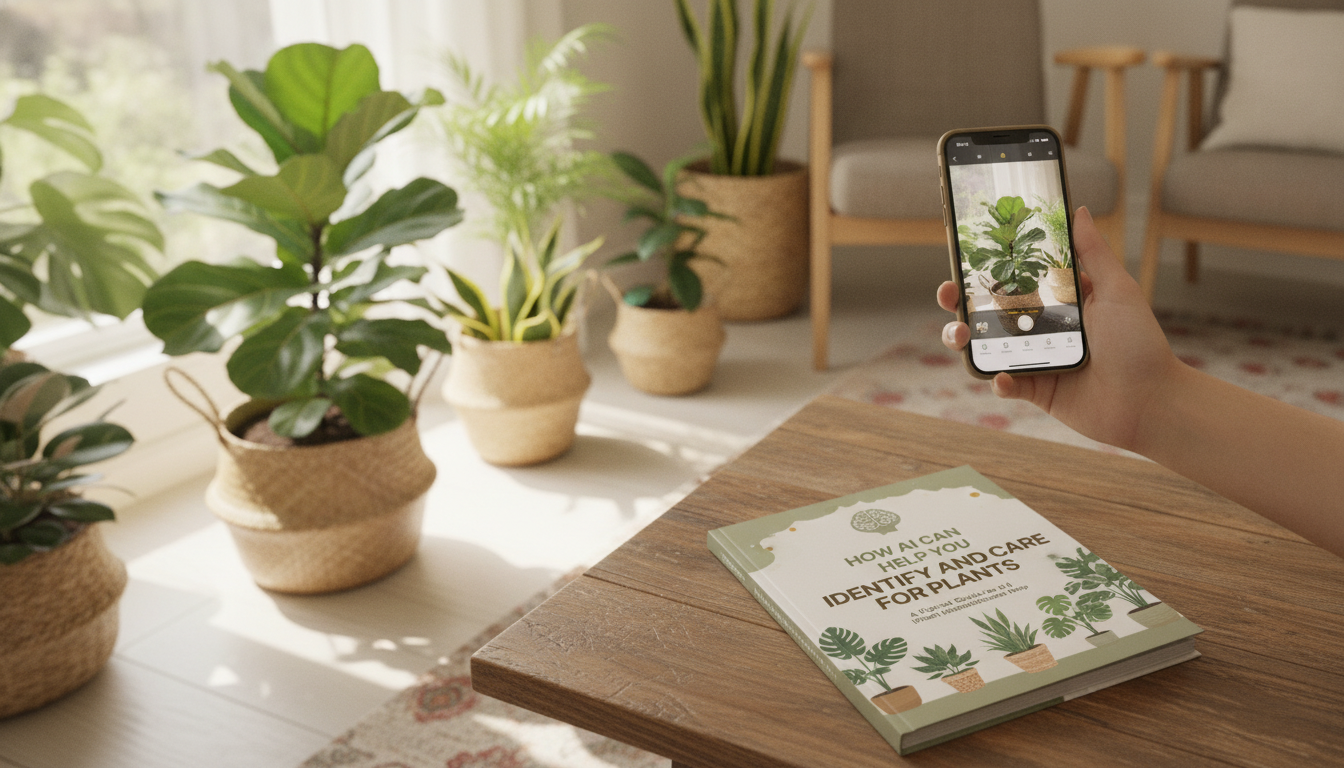
How AI Can Help You Identify and Care for Plants
AI-powered plant apps make it easier to move from “What is this?” to “How do I keep it healthy?” in minutes. With a few clear photos and a couple quick notes (where it’s growing, how much light it gets, and what recently changed), AI can narrow down likely matches and turn that identification into practical care steps for light, watering, soil, and troubleshooting. The result is fewer common missteps—like chronic overwatering, placing a plant in the wrong window, or missing early signs of pests and disease.
What AI plant identification does well (and where it can miss)
Most AI plant identifiers work by matching visual patterns—leaf shape, venation, color, texture, and overall growth habit—against large reference libraries. When you give the tool good inputs, it’s impressively fast at producing a useful shortlist.
- AI excels at visual comparison across huge databases, spotting similarities that are easy to overlook.
- It performs best with clear photos of multiple parts: leaves, stems, flowers, and the full plant.
- It can misidentify lookalikes (or close cultivars), especially if photos are blurry, taken in dim light, or show damaged foliage.
- Accuracy drops when only one plant part is visible (for example, a single leaf without nodes, stem, or flowers).
- Best practice: treat the top match as a shortlist, then confirm using distinctive traits such as leaf arrangement (opposite vs. alternate), sap, scent, and flower structure.
If you want to cross-check an ID with a reliable reference, databases like the Missouri Botanical Garden Plant Finder are helpful for verifying details like mature size, light needs, and growth habit.
How to get a reliable ID with a phone camera
Small changes in how you take photos often matter more than the app you choose. Aim for clean, natural-light images that show the plant the way a botanist would examine it.
- Photograph in natural light; avoid harsh shadows, heavy filters, and strong color casts from grow lights.
- Capture a set: (1) full plant, (2) close-up of leaves (front and back), (3) stem and nodes, (4) flower/fruit if present, (5) potting mix surface.
- Include a size reference (finger, coin, or ruler) to help separate similar species.
- Note the environment: indoor/outdoor, approximate hours of sun, and recent changes (repotting, moving, temperature swings).
- If the app provides a confidence score, use it to decide whether to double-check before making care changes.
When the ID results show multiple candidates, don’t rush to “fix” the plant. Start by aligning the basics (light and watering), then refine once you’ve confirmed the match.
From identification to care: turning an AI result into a simple routine
An AI care guide is most useful when you convert its suggestions into a routine you can actually repeat—and then adjust based on what the plant does over the next few weeks.
Light: start with the range, then watch the leaves
- Use the suggested light level as a starting point, then adjust based on real feedback.
- Leggy growth and wide gaps between leaves often signal too little light; crispy patches or bleaching can mean too much sun.
Water: turn vague advice into a measurable rule
- Translate “water when dry” into a depth test (for many houseplants: water when the top 1–2 inches are dry).
- Match the test to the pot size: small pots dry quickly; large pots can stay wet longer than expected.
Soil and pot: drainage solves more problems than schedules
Temperature, humidity, and feeding: go steady, not extreme
For general houseplant fundamentals, the Penn State Extension houseplant care guidance is a solid benchmark for comparing what an app suggests versus what’s typically recommended.
Quick care cheatsheet by plant type
| Plant type | Light baseline | Watering baseline | Common mistake to avoid |
|---|---|---|---|
| Succulents/cacti | Bright light, some direct sun | Water deeply, then let dry fully | Frequent small sips that keep soil damp |
| Tropical foliage (pothos, philodendron, monstera) | Bright indirect light | Water when top layer dries | Low light plus heavy watering |
| Ferns | Indirect light to medium light | Keep evenly moist, not soggy | Letting the root ball dry out completely |
| Herbs (indoor pots) | As much sun as possible | Water when top inch is dry | Not enough light leading to weak growth |
| Flowering houseplants | Bright light (often some direct sun) | Even moisture during bud/flower | Moving locations during budding |
Using AI to diagnose problems: yellow leaves, spots, pests, and rot
Building a digital plant care system with AI
A practical digital guide for AI plant identification and care
- How AI Can Help You Identify and Care for Plants – A Digital Guide to AI Plant Identification Help (digital guide)
- Summer Color Harmony Bundle | summer season colors 3-in-1 Digital Guides (digital bundle)
FAQ
How accurate are AI plant identification apps?
Accuracy depends heavily on photo quality, multiple angles, and whether the plant has distinctive features (like flowers or clear nodes). Lookalike species and cultivars can confuse results, so it’s smart to confirm with traits such as leaf arrangement, sap, scent, or flower structure before changing care.
Can AI tell what’s wrong with my plant from a photo?
AI can suggest likely issues such as overwatering, pests, nutrient stress, or disease patterns, but it should be validated with basic checks like soil moisture and (when appropriate) root inspection. If pests or disease are suspected, isolating the plant right away helps prevent spread while you troubleshoot.
What photos should be taken for the best plant ID result?
Get a full-plant shot plus close-ups of leaves (front and back), stem and nodes, and any flower or fruit; take photos in natural light and include a size reference like a coin or finger. If possible, add a photo of the potting mix surface to provide context for care recommendations.
















Leave a comment