AI-Assisted Skin Symptom Tracking: Photo-to-Plan Guide
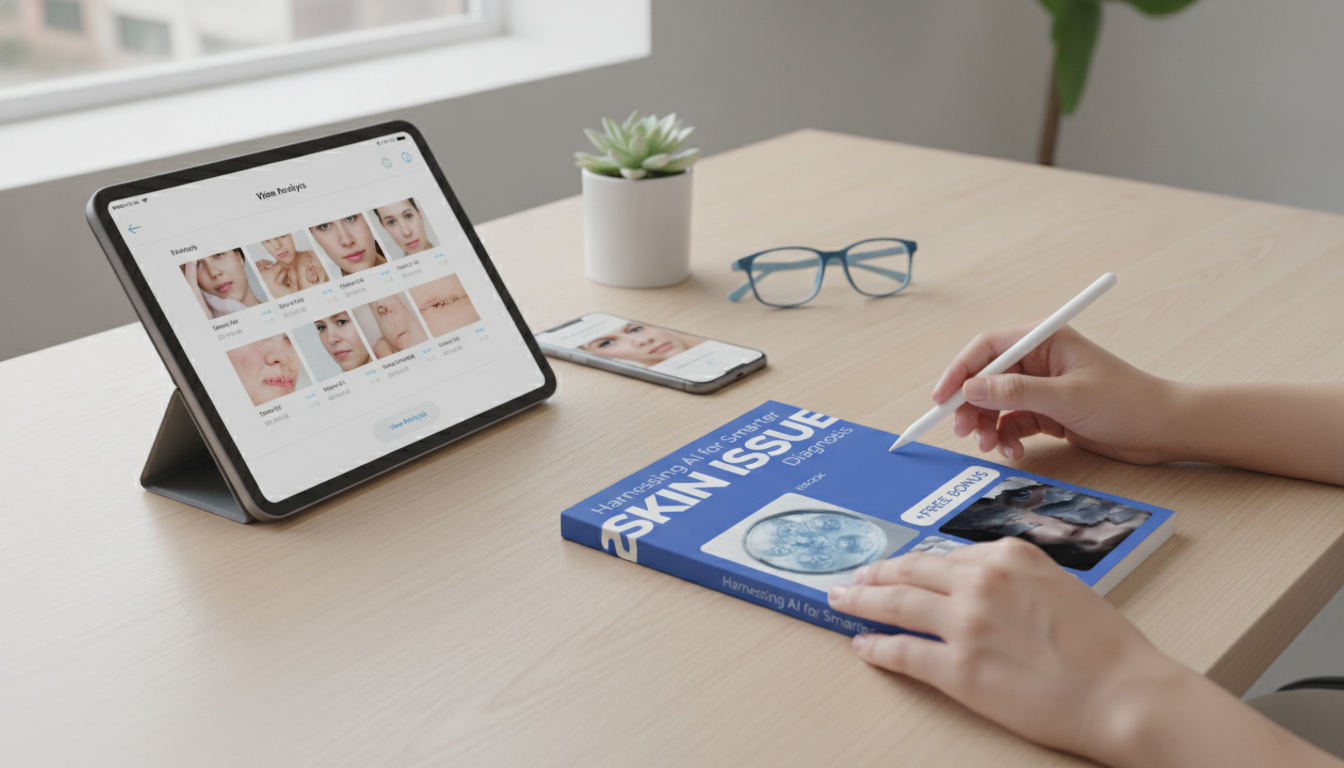
Harnessing AI for Smarter Skin Issue Diagnosis: a practical digital guide for clearer next steps
AI tools can help spot patterns in photos, symptoms, and routine details that are easy to miss—supporting clearer next steps for skincare. The goal isn’t to “get diagnosed by an app.” It’s to turn scattered observations into an organized, repeatable process that complements (not replaces) professional care. If you’ve ever wondered whether a flare is acne, irritation, dryness, or something else, an AI-assisted workflow can help you document what’s happening, ask better questions, and track what changes actually help.
What “AI-assisted skin diagnosis” really means
“AI-assisted skin diagnosis” is a shorthand phrase, but the safest way to interpret it is: AI as an educational assistant, a symptom organizer, and an image pattern helper—not a medical diagnosis. Many tools can summarize what a photo resembles, suggest likely categories, and propose follow-up questions, but they cannot confirm causes, rule out serious conditions, or account for everything a clinician can evaluate in person.
What AI outputs typically look like (and why they differ)
Depending on the tool and the photo conditions, results may include: likely categories (for example, “acne-like,” “eczema-like,” “irritant contact dermatitis-like”), a sense of uncertainty/confidence, and questions about timing, triggers, and product use. Lighting, focus, skin tone representation in training data, camera sharpening, and even dryness or makeup residue can change what AI “sees.” Treat outputs as hypotheses to verify—not conclusions.
Safe expectations
AI is most helpful for structure: consistent documentation, clearer descriptions, and a prioritized list of questions for a pharmacist, dermatologist, or primary care clinician. If you’re concerned about skin cancer or a rapidly changing lesion, skip AI triage and use professional evaluation. The American Academy of Dermatology’s warning signs are a helpful reference for what should be checked promptly.
A practical workflow: from photo to plan
Step 1 — Capture consistent photos
Use the same lighting, distance, and angle each time. Remove makeup, avoid filters, and minimize harsh shadows. If possible, use natural light and include a reference object (like a coin or small ruler) for scale.
Step 2 — Log context
Record the onset date and what changed in the week before: new skincare, hair products, laundry detergent, shaving/waxing, masks/helmets, diet shifts, sleep/stress, menstrual cycle timing, travel, humidity, and sun exposure.
Step 3 — Describe symptoms precisely
Clear wording improves AI feedback and helps clinicians. Note itch vs. burn, flaky vs. greasy scaling, papules vs. pustules, tenderness, oozing/crusting, and whether it’s spreading or staying in one area.
Step 4 — Use AI to generate hypotheses and questions
Step 5 — Choose a low-risk routine adjustment
Step 6 — Decide when to escalate
| Input | What to include | Common mistake to avoid |
|---|---|---|
| Photo | Natural light, sharp focus, reference object (coin/ruler) | Using flash that washes out redness |
| Symptoms | Itch/burn/pain, scaling, oozing, bleeding, swelling | Vague notes like “bad breakout” |
| Timeline | First day noticed, changes over time, prior episodes | Only describing the current day |
| Products | Full ingredient lists if possible, new vs long-term | Skipping “inactive” items like sunscreen or hair products |
| Triggers | Sweat, friction, masks, shaving, new laundry detergent | Assuming food is the only trigger without evidence |
Where AI helps most: acne, irritation, dryness, redness, and texture changes
Acne-pattern insights
Irritation vs. allergy signals
Dryness and barrier disruption
Redness patterns and texture changes
Limits and safety: when AI is the wrong tool
AI should not be used to diagnose skin cancer or evaluate rapidly changing lesions. If you notice an evolving spot, bleeding, non-healing areas, or a new suspicious mole, get it checked. The American Academy of Dermatology Association’s skin cancer warning signs are a clear, consumer-friendly reference.
Privacy matters. Consider whether you truly need identifiable photos, review data retention policies, and look for local/offline options when available. For a broader view of how regulated medical software is approached, see the FDA’s overview of AI/ML in software as a medical device.
Turning AI insights into a simple routine experiment
Start with a “reset week”
Patch test with intention
Use the one-change rule
What’s inside the digital guide
Harnessing AI for Smarter Skin Issue Diagnosis (digital download) is built for practical use: a framework to organize skin concerns, refine observations, and turn AI-assisted insights into safer next steps. It includes templates for symptom logging, product tracking, and photo consistency, plus examples of questions that improve clarity while keeping uncertainty and red flags front and center.
| Item | Details |
|---|---|
| Format | Digital download (ebook guide) |
| Topic | AI-assisted skincare insights and structured skin-issue assessment |
| Price | $14.99 USD |
| Availability | In stock |
More digital downloads you may like
- Summer Color Harmony Bundle | summer season colors 3-in-1 Digital Guides
- Calling Your Pet: Cute vs. Classic – A Smart Guide to Choosing Cute vs Serious Pet Names with Confidence
FAQ
Can AI accurately diagnose a skin condition from a photo?
AI can help with pattern recognition and education, but accuracy varies widely based on photo quality, lighting, and the tool’s limitations. Treat results as uncertain hypotheses, and confirm diagnosis and treatment decisions with a licensed professional.
What information should be included with a skin photo to get more useful AI feedback?
Include the timeline, exact symptoms (itching, burning, pain, scaling, oozing), body location, likely triggers, recent product changes, medications, allergies, and whether it’s spreading. Use consistent lighting and avoid filters so the image reflects what you actually see.
When should a dermatologist be consulted instead of using AI tools?
Seek professional care for rapidly changing lesions, bleeding, severe pain, infection signs (warmth, pus, fever), eye involvement, systemic symptoms, new suspicious moles, or issues that persist despite gentle care. AI isn’t a safe substitute for in-person evaluation when red flags are present.















Leave a comment