AI Weeknight Meal System for Fast, Family Dinners
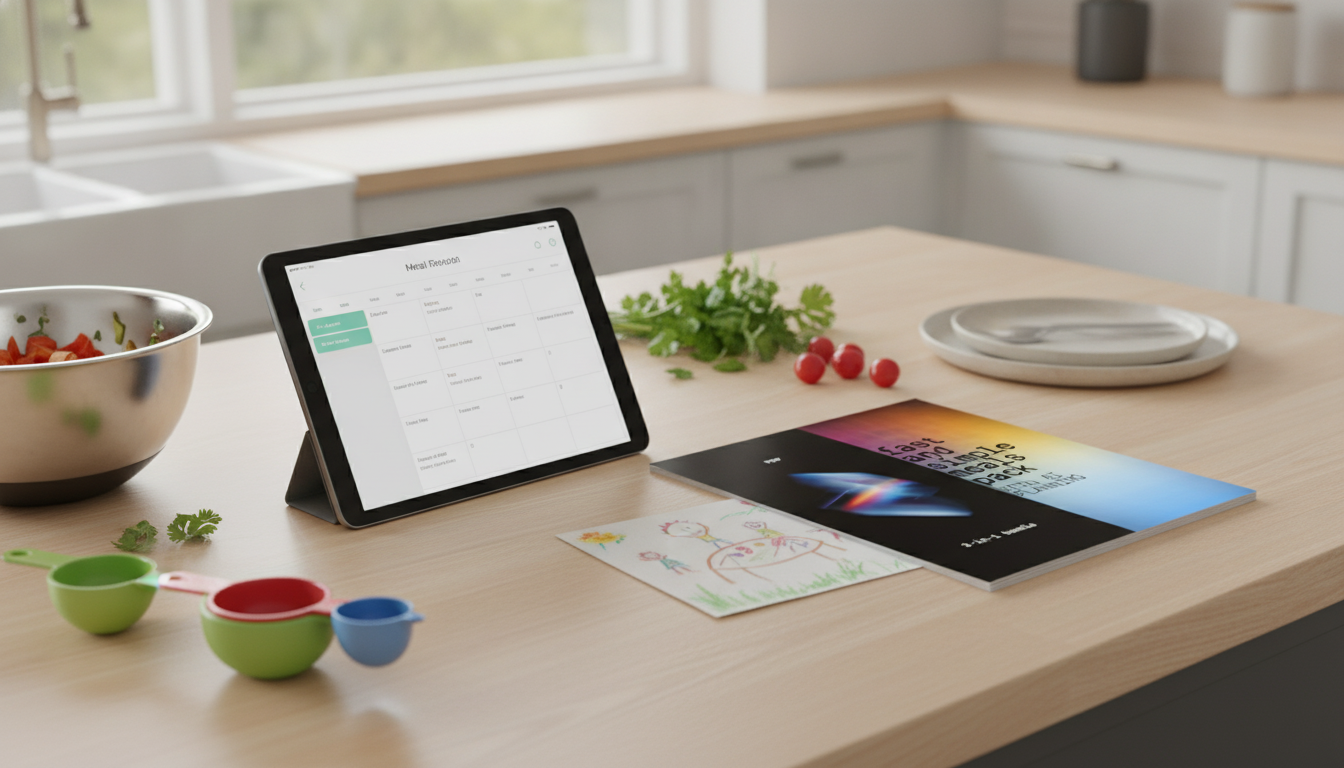
Fast and Simple Meals Pack with AI Planning: A Family-Friendly, Time-Saving Meal System
Busy weeks get easier when dinners are planned before the day starts. A simple, AI-assisted meal system helps cut down decision fatigue, keep meals kid-friendly, and streamline shopping and prep so weeknights feel more manageable without sacrificing variety. Instead of scrambling at 5:30 p.m., you start the week with a flexible plan, a tighter grocery list, and a few built-in “escape hatches” for when schedules shift.
What This Meal System Is Designed to Solve
Weeknight meals often fall apart for predictable reasons: too many decisions, too little time, and a fridge full of ingredients that don’t quite add up to dinner. This system is built to reduce friction at each step.
- Reduces last-minute dinner decisions by generating a structured plan
- Supports family-friendly meals with repeatable favorites and flexible swaps
- Cuts grocery waste by aligning recipes to a tighter shopping list
- Shortens prep time with simplified steps, batching, and leftovers
- Helps keep weeknights consistent even when schedules change
For practical nutrition guidance while you’re planning, the MyPlate Kitchen resources can help with balanced meal ideas and simple planning frameworks: https://www.myplate.gov/myplate-kitchen.
How AI Planning Fits Into a Real Week
AI planning works best when it starts with real-life constraints, not idealized cooking habits. Once those constraints are clear, it can generate meals that reuse ingredients, match time limits, and stay flexible when life happens.
- Start with constraints: household size, time per night, cooking skill level, and picky-eater notes
- Choose a rhythm: 2 quick-cook nights, 2 make-ahead nights, 1 leftovers night, 1 pantry night, 1 flexible night
- Generate meals that reuse ingredients across multiple dinners (for example, chicken used for bowls, salads, and wraps)
- Auto-build a grouped shopping list (produce, proteins, pantry, dairy) to speed up store runs
- Adjust on the fly: swap a meal when an activity runs late without re-planning the entire week
Example 5-Weeknight Rhythm Using AI Planning
| Night type | Goal | Typical time | Planning tip |
|---|---|---|---|
| Quick-cook | Dinner on the table fast | 15–25 min | Pick meals with minimal chopping and one-pan cooking |
| Make-ahead | Lower effort later in the week | 30–45 min (prep day) | Batch rice/pasta and roast vegetables once |
| Leftovers | Zero-cook or reheat | 5–10 min | Plan leftovers intentionally, not accidentally |
| Pantry/freezer | Use staples and avoid extra shopping | 15–30 min | Keep a short list of go-to pantry meals |
| Flexible | Handle surprise schedule changes | Varies | Choose meals that can shift one day earlier/later |
What’s Included in the Fast and Simple Meals Pack
The Fast and Simple Meals Pack with AI Planning | Family-Friendly & Time-Saving Meal Systems with AI focuses on repeatable routines, not complicated cooking. The goal is to make “What’s for dinner?” a solved problem most nights.
- A structured approach to building weeknight meal plans with AI assistance
- Family-friendly meal options designed for broad appeal and easy customization
- Time-saving systems for shopping, prep, and repeatable weekly routines
- Planning guidance to reduce food waste and avoid overbuying
- A format that supports rotating meals so the plan doesn’t feel repetitive
If you like simplifying other parts of your week too, these in-stock digital tools can complement a “systems over stress” approach:
- Rental Car Insurance Survival Checklist | Insurance for Rental Cars What You Need | Printable Travel Planning Checklist
- Calling Your Pet: Cute vs. Classic – A Smart Guide to Choosing Cute vs Serious Pet Names with Confidence
- Summer Color Harmony Bundle | summer season colors 3-in-1 Digital Guides
Family-Friendly by Design: Customizing Without Making Separate Meals
“Kid-friendly” doesn’t have to mean bland, and it definitely shouldn’t mean cooking two dinners. A flexible meal structure helps everyone eat from the same core dish while keeping peace at the table.
Time-Saving Meal Systems That Compound Over Time
To reduce food waste and avoid guessing what’s still safe to use, the USDA’s FoodKeeper guidance is a helpful reference for storage times: https://www.foodsafety.gov/keep-food-safe/foodkeeper-app.
Who This Works Best For (and When It’s Not a Fit)
As you tighten routines, don’t skip basics that keep weeknights safe and stress-free. The CDC’s home kitchen food safety overview is a solid refresher: https://www.cdc.gov/food-safety/.
Getting Started in 15 Minutes
If you want a ready-to-follow structure for this approach, the Fast and Simple Meals Pack with AI Planning is designed to make the routine easy to repeat week after week.
FAQ
How does AI meal planning save time during the week?
It cuts decision-making by selecting meals based on your time limits, preferences, and constraints, then builds a grouped shopping list that’s faster to shop. It also encourages ingredient reuse across meals and makes it easy to swap a dinner when schedules change without rebuilding the whole plan.
Is it suitable for picky eaters and mixed-age families?
Yes—using a base meal with optional add-ons (toppings, sauces on the side, crunchy extras) helps everyone customize without separate cooking. Keeping a simple “safe side” available also reduces stress while kids expand their comfort foods over time.
Can the plan help reduce grocery waste?
Planning with ingredient overlap means you buy fewer one-off items and use what you purchase across multiple dinners. Building in intentional leftovers and checking pantry items first also helps prevent overbuying and forgotten produce.
















Leave a comment