Alps Ski Trip Planning: Budget, Booking Order & Tips
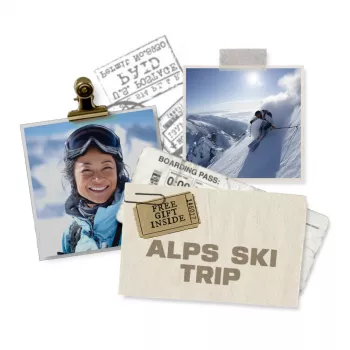
Alps Ski Trip, Sorted: Planning, Budgeting, and Stress-Free Booking
A ski trip to the Alps can feel complicated—multiple countries, lift passes, transfers, and wildly different costs depending on timing and resort. The easiest way to make it feel simple is to decide a few big variables up front, then book in an order that reduces risk (weather, delays, sold-out lodging, and mismatched schedules). Below is a clear planning flow, a realistic budget framework, and practical tips for smooth travel days and calmer mornings on the mountain.
Start With the Big Three Decisions: time, people, and priorities
Choose the week first. Peak holiday weeks (Christmas/New Year and February school holidays) typically raise the cost of flights, lodging, and lift passes. If flexibility is possible, shoulder weeks can reduce total spend dramatically while still offering great conditions—especially in higher-altitude areas.
Lock the group basics. Count skiers vs. non-skiers, ability levels, early risers vs. late starters, nightlife vs. quiet, and whether the group prefers cooking or eating out. These details determine village layout and lodging style more than almost anything else.
Pick priorities to simplify the shortlist. Decide what matters most: ski area size, snow reliability, transfer time, total budget ceiling, and accommodation type (hotel, apartment, chalet). Then set “non-negotiables” (ski-in/ski-out, childcare, heated boot room, pool/spa, beginner lift nearby) so browsing doesn’t drag on for weeks.
Choose a base that matches your skiing style
Beginners
Prioritize villages with strong ski school infrastructure, wide green/blue terrain, and lifts that are easy to reach without long walks in ski boots. Convenience here often beats “biggest ski domain.”
Intermediates
Look for linked resorts or large domains with varied blue/red runs and a modern lift network. Good lift distribution reduces bottlenecks and makes it easier to explore without feeling rushed.
Advanced and off-piste focused
Target terrain variety, high-altitude sectors, and local guide availability. Off-piste plans should be built around avalanche education and daily conditions; consult resources like EUROAVALANCHE and local bulletins (for France, Météo-France mountain updates are a solid reference).
Families and mixed groups
Childcare, beginner zones, and predictable logistics matter more than maximum vertical. A slightly smaller resort with a calmer base area can outperform a mega-resort if it keeps mornings smoother and everyone happier.
Non-ski activities
Check for pedestrian lift access, winter hiking routes, spa facilities, and a town center that’s enjoyable even on rest days. This is especially important if part of the group won’t ski every day.
Budgeting without surprises
A dependable approach is a per-person-per-day framework: lodging + lift pass + rentals + meals + local transport + extras (lessons, spa, nightlife). The biggest swing factors are travel dates, lodging size, distance to lifts, and whether meals are self-catered.
Common “hidden” costs include resort taxes, airline baggage fees for ski bags, parking, tunnel/toll charges, and gear damage waivers. Build a 10–15% buffer for weather changes, last-minute transfer adjustments, and higher-than-expected on-mountain food prices.
| Cost item | Budget range (USD) | Notes |
|---|---|---|
| Flights/transport to region | 250–900 | Varies by departure city, peak weeks, and how early booking happens |
| Resort transfers | 60–220 | Shared shuttle, train + bus, or private transfer |
| Lodging | 450–1,500 | Apartments can lower meal costs; ski-in/ski-out typically costs more |
| Lift passes | 250–450 | Large linked areas trend higher; multi-day passes can reduce daily cost |
| Ski/board rental | 120–220 | Higher for performance packages; add helmet if needed |
| Food & drinks | 180–500 | Self-catered vs restaurant-heavy makes the biggest difference |
| Lessons/guide (optional) | 0–450 | Group lessons cheaper; private guides cost more but save time |
| Extras & contingency | 75–250 | Spa, nightlife, souvenirs, weather-related changes |
Stress-free booking order (what to lock in first)
Step 1: Flights or long-distance rail. These set the trip window and often have the biggest price volatility. If flying within/into Europe, it’s also worth knowing basic protections for disruptions under EU air passenger rights (EU261).
Step 2: Accommodation. Confirm lift proximity (or bus stop access), check-in/out times, and where you’ll store gear. A perfect apartment that forces a stressful first morning isn’t a bargain.
Transfers and arrival day: keep it simple
Gear, packing, and rentals that actually work on snow
On-mountain routine: avoid the common time-wasters
Helpful trip add-ons (in stock)
- Alps Ski Trip, Sorted – The Ultimate Guide to Ski Trip to the Alps Planning, Budgeting & Stress-Free Booking (digital guide for organizing decisions, budgets, and booking order).
- Dr. Martens Women’s Leather Slip On Shoes (a sturdy option for travel days and après-ski when you want something easy on/off).
FAQ
When is the best time to book an Alps ski trip for good prices?
Flights and lodging tend to price best when booked well ahead for peak weeks, while shoulder-season weeks can offer noticeably lower totals with fewer crowds. The biggest cost spikes usually align with Christmas/New Year and February school holiday periods, so shifting by even one week can help.
Is it better to stay ski-in/ski-out or near a bus route?
Ski-in/ski-out is the simplest for daily convenience, especially for families, beginners, or groups carrying gear daily. Staying near a frequent ski bus route can save money and still feel easy if the stop is close, the schedule is reliable, and you’re comfortable planning around pickup times.
How much money should be set aside for food and drinks?
Self-catering often lands on the lower end of typical budgets, while restaurant-heavy trips (plus on-mountain lunches) can climb quickly. A practical approach is to mix grocery breakfasts and a few packed snacks with a handful of booked dinners, then leave the rest flexible based on weather and energy.















Leave a comment