Daily Yoga Pack for Beginners: 10-in-1 Flexibility Plan
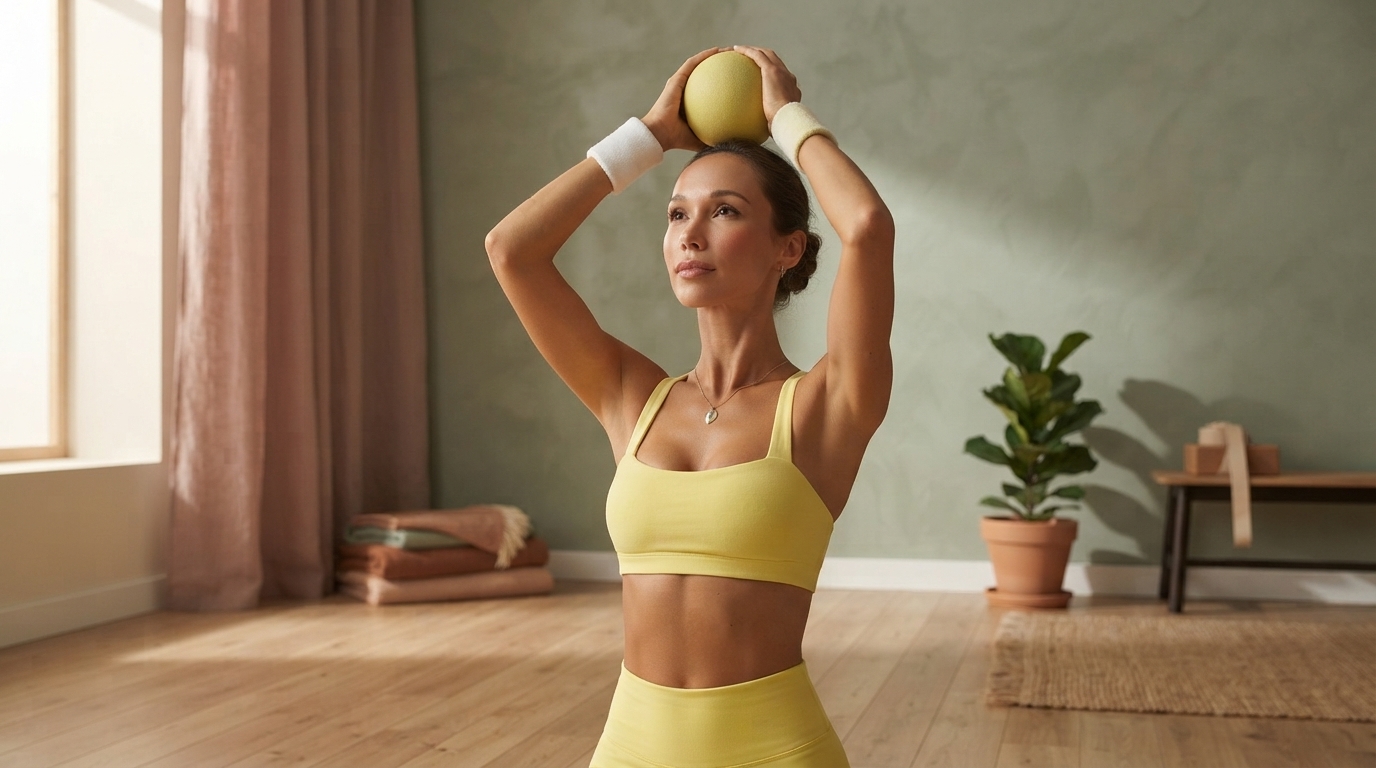
Building flexibility doesn’t require hour-long classes or a complicated plan. What helps most is a repeatable routine you can finish even on busy days—one that steadily improves mobility, balance, posture, and recovery without pushing your joints past what they’re ready for. The Daily Yoga Workout Pack – 10-in-1 Bundle for Beginners and Flexibility is made for that kind of momentum: short, guided sessions designed to become a daily habit while gradually expanding range of motion and body awareness.
What’s Included in the 10-in-1 Daily Pack
This bundle is structured as a practical set of guided workouts intended for frequent use. Instead of repeating the exact same flow every day, it gives you enough variety to keep progress moving while still feeling familiar and beginner-appropriate.
- A bundled set of guided sessions designed to be used daily, with variety to prevent plateaus.
- Beginner-friendly pacing focused on safe alignment, steady breathing, and progressive flexibility.
- A balanced mix that can support common goals: tight hips, stiff back, shoulder tension, hamstring length, and overall mobility.
- Works well as a standalone plan or as a supplement to walking, strength training, or sports recovery.
If you’re aiming for a routine that feels clear and doable, this kind of “daily pack” approach tends to remove the biggest barrier: deciding what to do each day.
Who This Bundle Fits Best
- Newcomers who want a ready-to-follow routine without designing their own weekly plan.
- People returning after a break who need a gentle ramp-up for flexibility and consistency.
- Desk workers looking to counter rounded shoulders, tight hip flexors, and lower-back stiffness.
- Active beginners who want mobility sessions that pair well with strength training and cardio.
- Anyone who prefers shorter, frequent practices over occasional long sessions.
Daily yoga can be especially helpful for stress management and physical tension that builds from long workdays; the American Psychological Association discusses yoga as one tool that may support stress reduction when practiced consistently (APA: Yoga for Stress).
A Simple Weekly Structure (Repeat and Adjust)
The easiest way to stay consistent is to keep sessions short enough that you can complete them even when life is busy. Early on, consistency matters more than intensity. A gentle, repeatable rotation also helps your body adapt without overloading the same tissues every day.
- Keep sessions short in week one; build the habit first, then increase time.
- Rotate emphasis (hips, hamstrings, spine, shoulders) to improve full-body range of motion.
- Stay light-to-moderate; flexibility improves best when your nervous system feels safe and relaxed.
- Track one or two markers every 2–3 weeks (forward fold comfort, overhead reach, hip rotation).
Sample 7-Day Rotation for Beginners
| Day | Focus | Time & Intensity | Helpful Tip |
|---|---|---|---|
| Day 1 | Full-body mobility | 10–20 min, easy | Move slowly and prioritize breathing |
| Day 2 | Hips & glutes | 10–25 min, easy–moderate | Use a folded towel under knees if needed |
| Day 3 | Hamstrings & calves | 10–20 min, easy | Avoid bouncing; keep a soft bend in knees |
| Day 4 | Spine & posture | 10–20 min, easy | Lengthen through the crown of the head |
| Day 5 | Shoulders & chest | 10–20 min, easy–moderate | Keep ribs from flaring; exhale to soften |
| Day 6 | Recovery flow | 10–15 min, very easy | Stay below the stretching “edge” |
| Day 7 | Choice day | 10–30 min, easy–moderate | Repeat the area that feels most restricted |
Beginner Form Cues That Protect Joints
For beginners, the goal is to feel “open and supported,” not forced. The most reliable flexibility gains come from relaxed breathing, steady alignment, and gradually teaching your body that a new range is safe.
- Use nasal breathing when possible; longer exhales help reduce tension-driven stretching.
- Aim for “strong and long”: gentle engagement with length, rather than collapsing into end range.
- In forward folds, hinge at hips first and keep knees soft to reduce strain on the lower back.
- In lunges, stack the front knee over the ankle and shorten the stance if the hips feel pinched.
- In overhead positions, keep shoulders down and ribs relaxed to avoid compressing the lower back.
- Stop if sharp pain appears; discomfort should feel like stretching pressure, not joint pain or numbness.
For a broader evidence-based overview of yoga’s potential benefits and safety considerations, see the National Center for Complementary and Integrative Health (NCCIH: Yoga—What You Need To Know).
Progress Without Overstretching
When flexibility is the goal, “more” isn’t always “better.” Overstretching often shows up as irritated joints, lingering soreness, or a feeling of instability. A steadier path is to build time slowly and keep intensity moderate.
Pairing yoga with regular physical activity can also help overall function and recovery. The CDC’s adult activity guidance is a useful reference point for building a balanced week (CDC: Exercise and Physical Activity).
What to Have Nearby for Comfortable Sessions
When to Modify or Pause
Getting Started Quickly
Recommended Picks (In Stock)
- Daily Yoga Workout Pack – 10-in-1 Bundle for Beginners and Flexibility
- Summer Color Harmony Bundle | summer season colors 3-in-1 Digital Guides
- Rental Car Insurance Survival Checklist | Insurance for Rental Cars What You Need | Printable Travel Planning Checklist
FAQ
How long should a beginner practice yoga each day for flexibility?
For most beginners, 10–30 minutes per day is a realistic range that supports flexibility without overwhelming recovery. Keep the intensity mild-to-moderate and add time gradually as your body adapts.
Is it safe to do yoga every day as a beginner?
Daily yoga is typically safe when sessions are gentle, you rotate focus areas, and you include easier recovery days. Stop and reassess if you feel sharp pain, numbness, or tingling.
What if tight hamstrings or hips make poses feel impossible?
Use blocks or a strap, bend your knees, and shorten your stance so you can breathe and maintain control. Progress is better measured by comfort and steadiness than by how deep the pose looks.















Leave a comment