How to Ask Locals for Food: Friendly Scripts & Tips
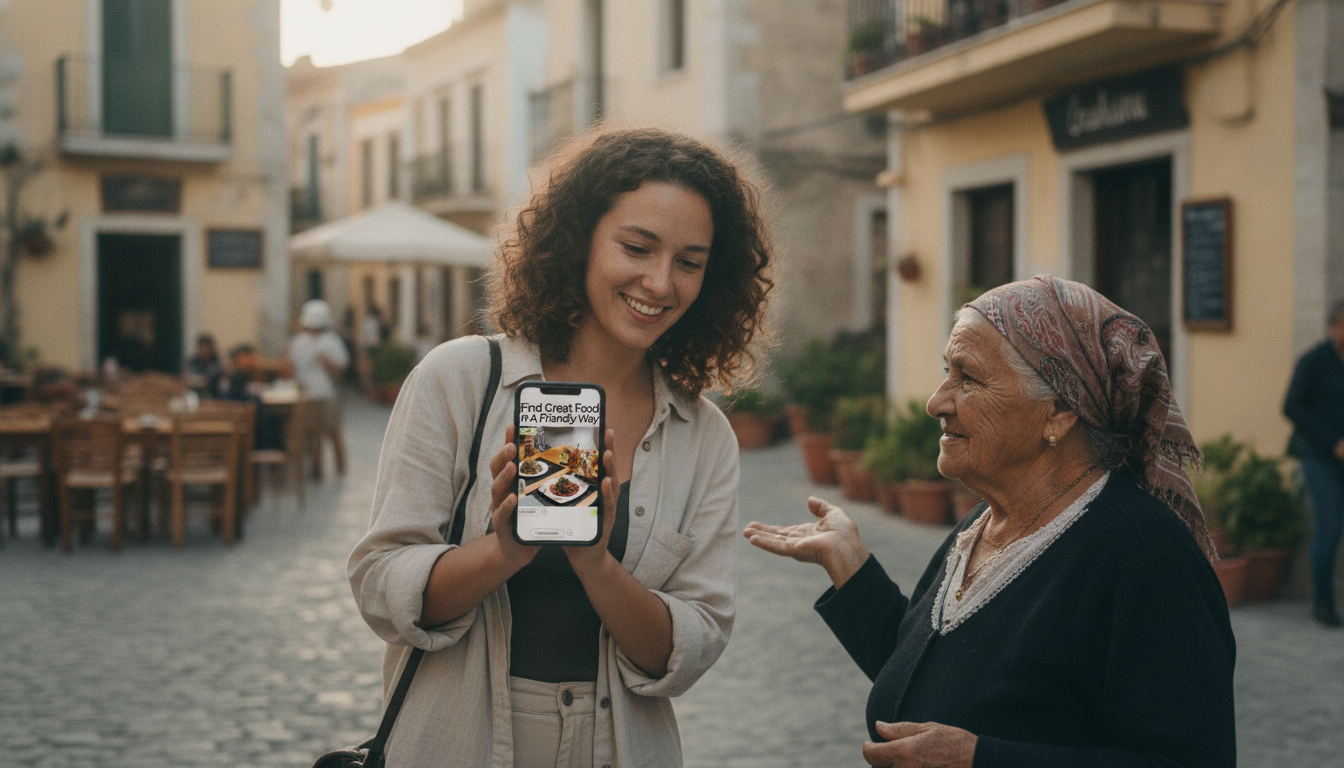
Why local recommendations beat “top 10” lists
Great meals often come from small, personal tips: the stall a neighbor trusts, the bakery a commuter stops at, the dish a family orders on birthdays. A simple, respectful question can open doors—if it’s asked at the right moment, with the right tone, and with clear preferences. The goal isn’t to build a giant list; it’s to turn a couple of real conversations into a short, reliable lineup of places you’ll actually enjoy.
Set yourself up for better recommendations
Locals can help faster when the question is easy to answer. Before asking, decide what “great” means for this specific meal and share the few details that matter.
- Define “great” for today: a quick snack, a budget meal, a regional specialty, vegetarian-friendly, late-night food, or a place to sit and linger.
- Share constraints upfront: dietary restrictions, spice tolerance, allergies, and whether cash-only is a dealbreaker.
- Set a radius and timing: “near here,” “within 10 minutes,” “open now,” or “good for breakfast” gives people a clear filter.
- Use a preference pair: “something typical” vs. “something modern,” “street food” vs. “sit-down,” “seafood” vs. “meat.”
If you want a quick way to keep your questions consistent (especially if you’re asking multiple people), the digital guide Your Toolkit to Find Great Food in a Friendly Way – How to Ask Locals for Food Recommendations is an easy reference to keep on your phone while you travel.
Who to ask (and when) for the most useful answers
The best recommendations usually come from people who eat nearby often—and who have a moment to think.
- Look for repeat routines: hotel front-desk staff, baristas, shop owners, market vendors, taxi/ride-share drivers between rides, and coworkers at a conference tend to know the dependable spots.
- Choose calm moments: after you place an order, while paying, or when the line is short. Avoid peak rush when the person looks stressed.
- Match the person to the meal: for breakfast, ask the first café open early; for nightlife, ask a bartender or late-shift worker; for family spots, ask parents at parks or casual restaurants.
- Ask twice: two different locals answering the same question can reveal patterns fast. Overlap is a strong “this place is consistently good” signal.
Friendly question templates that feel natural
A good question sounds like something you’d ask a friend, not a judge. Keep it short, specific, and easy to answer.
- Start with context: “This smells amazing—what’s your favorite place nearby for a local dish?”
- Use “Where do you go?” instead of “What’s the best?” to invite an honest, personal answer.
- Ask for one top pick, then a backup: “If that’s closed, what’s the next place you’d send a friend?”
- Anchor to a food you want: “Where would you go for the best noodles around here?” works better than “Any recommendations?”
- Add one gentle detail: “Not too spicy,” “good for solo dining,” “good for under $15,” or “good for a quick lunch.”
Conversation starters by setting
| Setting | Ask like this | Best follow-up |
|---|---|---|
| Coffee shop | “If you had one hour for lunch nearby, where would you go?” | “What should I order there?” |
| Market or food hall | “Which stall do locals come back to again and again?” | “Is there a must-try dish at this stall?” |
| Hotel or lodging | “Where do you eat when you’re off shift?” | “What time should I go to avoid the line?” |
| Taxi/ride-share | “What’s a reliable local spot you’d recommend to a friend?” | “Cash only or card ok?” |
| Bar or pub | “Where’s a great late-night bite around here?” | “Is it safe to walk there after dark?” |
Polite tone and cultural awareness without overthinking it
You don’t need perfect phrasing—just a respectful approach that makes it easy for someone to help.
- Keep it brief and appreciative: a greeting, a smile, and a sincere “thank you” goes far.
- Avoid “extreme” language: “the absolute best in the whole city” can feel like a test; “your favorite” feels friendly.
- If language is limited: use simple nouns plus gestures: “good local food?” “favorite dish?” “near here?” and point at a map.
- Respect boundaries: if someone answers vaguely or seems uncomfortable, accept it and move on without pressing.
- Treat family-run places with care: follow house rules, be patient, and tip/thank according to local norms.
Turn a recommendation into a plan you can actually use
A recommendation becomes valuable when it’s actionable. Take 20 seconds to confirm the details that prevent a wasted trip.
Safety, allergies, and comfort while exploring
For extra peace of mind, review basics from the CDC’s food and water safety guidance and the WHO Five Keys to Safer Food before longer trips.
A simple “ask-and-verify” routine for consistent wins
Travel add-ons that make the day smoother
- Your Toolkit to Find Great Food in a Friendly Way – How to Ask Locals for Food Recommendations
- Rental Car Insurance Survival Checklist | Insurance for Rental Cars What You Need | Printable Travel Planning Checklist
FAQ
What’s the most natural way to ask locals for a food recommendation?
Use a short, friendly opener and ask for their personal favorite: “Where do you like to eat around here?” Add one preference (nearby, budget-friendly, not spicy) so they can answer quickly and accurately.
How can a recommendation be checked quickly without over-researching?
Confirm the name and hours, ask what to order, and get a second opinion from another local. If two people independently mention the same place and a clear signature dish, it’s usually a strong pick.
What should be said if there’s a food allergy or dietary restriction?
State the ingredient clearly and ask whether it’s used in sauces, broths, or cooking oil. When possible, request a naturally safe suggestion rather than trying to heavily modify the place’s specialty.















Leave a comment