Screen-Free Rewards Kids Love: Ideas + Printable Checklist
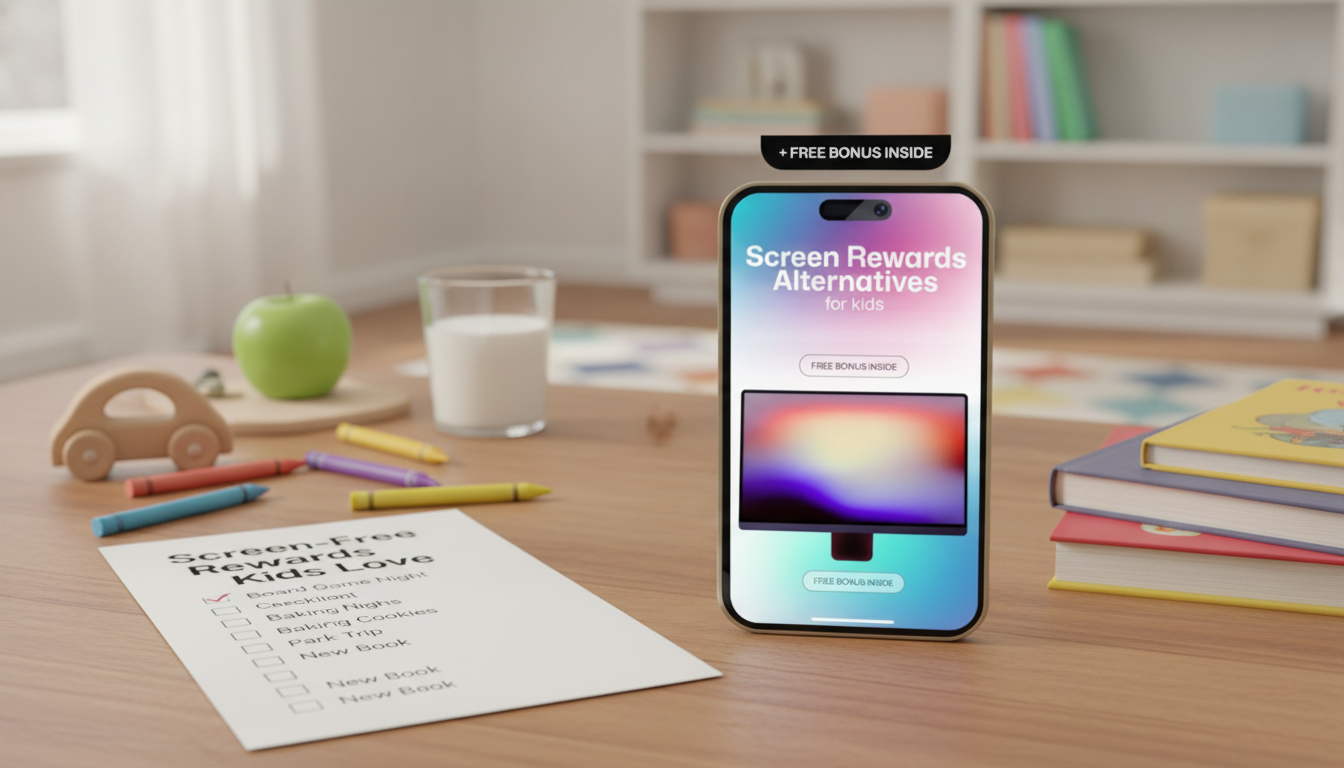
Screen-Free Reward Ideas for Kids That Actually Motivate (With a Printable Checklist)
Replacing screen-time rewards can feel like taking away the easiest parenting tool—especially when kids are tired, bored, or bargaining hard. A screen-free reward system works best when it’s predictable, flexible, and tied to what kids truly value: attention, choice, novelty, and small privileges. Below is a practical menu of fun, low-cost rewards, plus a simple way to match rewards to age, effort, and family routines—supported by a ready-to-use checklist. For more guidance, see Limit Screen Time | How To Reduce Screen Time For Kids.
Why screen-time rewards backfire in the long run
Screens can be a convenient “currency,” but they often create problems that show up later—right when a reward system is supposed to reduce conflict. For further reading, see 77 Things to Do Instead of Screens – Sparkle Stories.
- Screens become the “top prize,” making everyday tasks feel like obstacles to the real fun.
- Kids may start negotiating for more screen time rather than building internal motivation.
- Transitions off screens are harder, adding stress at the exact moment you want things calm.
- Screen rewards can crowd out connection-based rewards (time together, shared activities) that strengthen routines over time.
If you’re trying to reset your family’s media habits, the American Academy of Pediatrics’ Family Media Plan can help you set clear boundaries that support (not sabotage) your reward system.
What makes a reward work: quick, clear, and connected
The most motivating rewards are less about “big stuff” and more about timing, clarity, and meaningful attention.
- Keep rewards immediate when possible: younger kids respond best to rewards that happen the same day.
- Use specific praise paired with the reward: name the behavior (for example, “You started homework without reminders”).
- Offer choices from a small menu: choice increases buy-in without turning rewards into open-ended negotiations.
- Match reward size to effort: small tasks earn small rewards; bigger goals earn bigger privileges.
- Use experience-based rewards often: kids tend to remember shared moments longer than stuff.
For more ideas on reinforcing positive behavior with consistency, the CDC’s Positive Parenting Tips is a solid, practical reference.
A grab-and-go menu of fun screen-free rewards
Use this list like a “reward pantry.” Keep the options simple, repeatable, and easy to deliver without derailing bedtime or your schedule.
- Connection rewards: pick a board game together; 10-minute “yes time”; bedtime story upgrade; lunchbox note; choose a family walk route; cook together; backyard campout.
- Choice and privilege rewards: choose a dinner side; pick the music in the car; choose pajamas; stay up 15 minutes later (age-appropriate); pick the weekend family activity; invite a friend over; choose the seat at dinner.
- Creative rewards: new craft supplies; create a “menu” for a pretend restaurant; make a comic; build a fort; LEGO challenge card; bake-and-decorate challenge.
- Movement rewards: scooter time; mini dance party; obstacle course; scavenger hunt; family sports pick; extra playground stop.
- Collection-style rewards (non-screen): sticker chart toward an outing; “mystery envelope” rewards; punch card toward a special privilege; collect tokens for experiences (not purchases).
| Category | Examples | Best for | Prep needed |
|---|---|---|---|
| Connection | 10-minute one-on-one time, board game, bedtime story upgrade | Attention-seeking behaviors, strengthening routines | Low |
| Choice/Privilege | Pick dinner side, choose music, choose family activity | Power struggles, independence | Low |
| Creative | Craft kit, fort building, comic drawing | Rainy days, quiet time | Medium |
| Movement | Obstacle course, scavenger hunt, playground stop | High energy, after school | Low–Medium |
| Collect-to-earn | Punch card toward outing, tokens for experiences | Longer goals, consistency | Medium |
Age-based reward ideas (so the reward feels “worth it”)
Kids don’t value rewards the same way at every stage. When the reward fits the age, it feels fair—and it actually motivates.
How to set up a screen-free reward system that doesn’t create constant bargaining
Print-and-use checklist: making reward choices easy on busy days
Common problems and simple fixes
A simple next step: ready-made checklist of screen-free rewards
For a ready-to-use option, see: Screen Rewards Alternatives for Kids Checklist – Fun Screen-Free Reward Ideas for Kids.
If weekend outings are part of your long-term reward plan (museum day, day trip, visiting family), keeping logistics simple can help rewards stay fun instead of stressful. This printable can support that side of planning: Rental Car Insurance Survival Checklist | Insurance for Rental Cars What You Need | Printable Travel Planning Checklist.
FAQ
What can replace screen time as a reward for kids?
Try experience-based rewards like choice, small privileges, one-on-one time, outings, creative projects, and movement breaks. Keep rewards immediate for younger kids, and lean into autonomy-based rewards for older kids.
How do you reward kids without buying things?
Use privileges (choose music, pick a dinner side), connection (10 minutes of “yes time”), and responsibility-based autonomy (planning a meal or weekend activity). These rewards feel meaningful without adding clutter or cost.
How many reward options should be on a kid’s reward menu?
A small rotating menu of about 8–15 options prevents overwhelm and reduces bargaining. Rotate weekly and keep a few quick, 5–15 minute choices ready for busy days.














Leave a comment