Laser Mind Focus: Build Concentration With Simple Systems
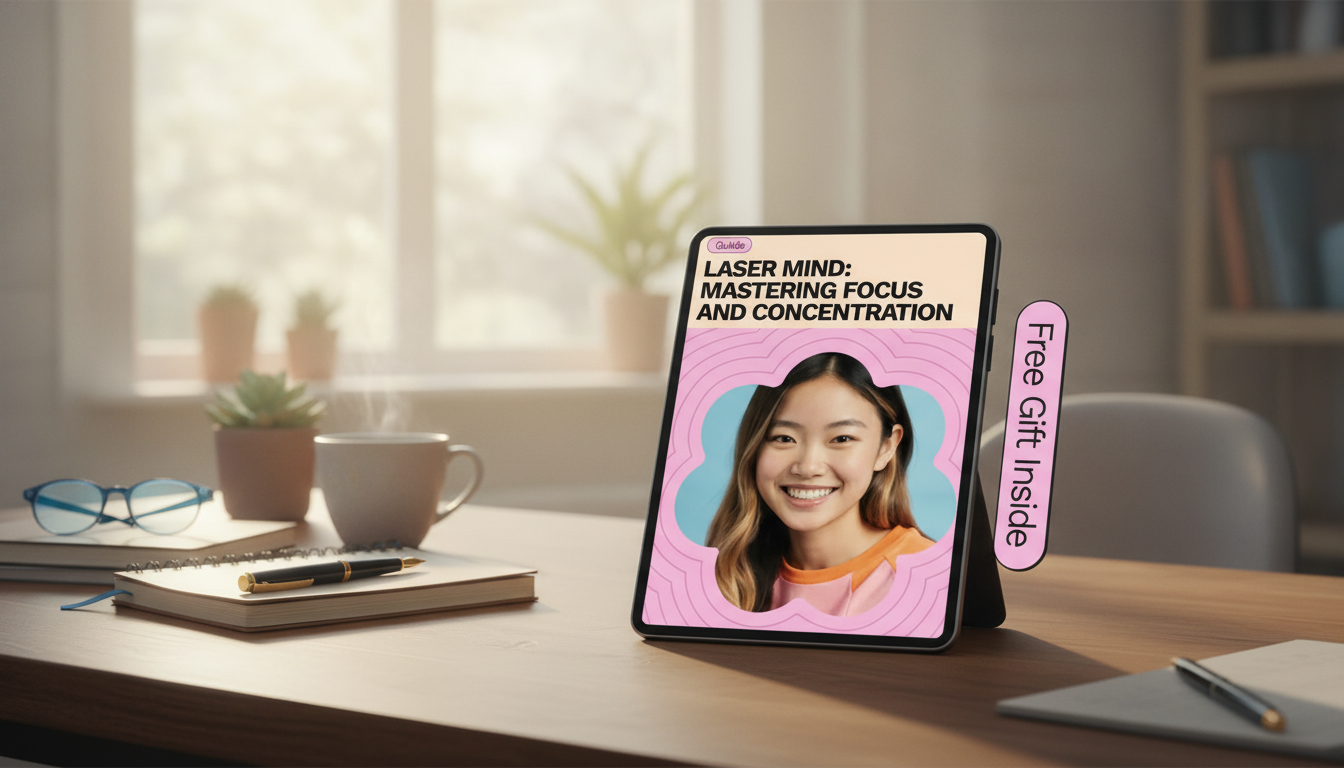
Laser Mind: Mastering Focus and Concentration
Focus is rarely a matter of willpower alone. It’s a set of skills shaped by environment, energy, emotions, and habits. With a few practical systems, concentration becomes more predictable—whether the goal is deep work, studying, creative output, or staying present in everyday life.
What Focus and Concentration Really Are
Focus is directing attention toward one target. Concentration is sustaining that attention over time. Both can be trained, but they fail fast when the brain is flooded with novelty, unclear priorities, or fatigue.
Distraction often feels rewarding because it delivers quick feedback and variable rewards: the next notification, the next headline, the next message. That unpredictability is compelling, especially when a task feels effortful.
Common patterns that reduce attention include multitasking, constant notifications, vague to-do lists, and mental fatigue. A helpful baseline is simple: attention improves when the task is clear, the next step is obvious, and friction is low.
Find the Real Causes of Losing Focus
Before “trying harder,” identify what’s actually pulling attention away. Most focus issues fit into four buckets:
- Energy drains: poor sleep, dehydration, long gaps between meals, sedentary days, and overstimulation late at night.
- Emotional noise: worry loops, perfectionism, fear of starting, or low confidence about the task.
- Task design problems: goals that are too vague, steps that are too large, or no clear definition of “done.”
- Environment triggers: open tabs, visible clutter, a phone within reach, noisy spaces, and frequent interruptions.
Try a quick self-check right before starting: rate energy (0–10), clarity (0–10), and resistance (0–10), then list the distractions currently present. If clarity is low, don’t push—shrink the task until the next action is unmistakable.
For foundational support, sleep and stress management matter more than most productivity hacks. Helpful references include the National Sleep Foundation’s sleep guidelines and the American Psychological Association’s overview of stress effects.
Core Habits That Build a “Laser Mind”
The goal isn’t to feel motivated; it’s to reduce the number of decisions required to begin and continue. These habits work well because they’re repeatable and easy to measure.
1) Single-tasking rule
Only one active task at a time. Everything else becomes a scheduled next step. If it isn’t scheduled, it’s not allowed to interrupt.
2) The 2-minute start
Begin with the smallest possible action: open the document, write one sentence, solve one problem, outline the first three bullets. Momentum is often a byproduct of motion.
3) Timeboxing sprints
Choose a realistic sprint (15–45 minutes) followed by a deliberate break. Short sprints reduce dread and make “showing up” easier.
4) Cue control
Before each sprint, remove or block the top 2–3 distractions: phone out of reach, tabs closed, notifications off, and a clear workspace.
5) End-of-sprint shutdown
Write the next action and a one-line summary. This prevents the “restart tax” later and makes it easier to re-enter flow.
A Simple Daily Focus System (Minimal, Repeatable, Flexible)
A good focus system is small enough to run on busy days and structured enough to protect deep work. Use this as a template and adjust to fit your schedule.
| Time Block | Goal | Guardrails |
|---|---|---|
| 10–15 min | Plan the day: 1 priority + 2 support tasks | No inbox, no messages; write next actions |
| 30–45 min | Deep work sprint #1 | Phone out of reach; single tab; timer on |
| 5–10 min | Restorative break | Walk, stretch, water; no social apps |
| 30–45 min | Deep work sprint #2 | Same setup; stop at a clear next action |
| 30–60 min | Shallow work batch | Email/messages only; time limit enforced |
| 5 min | Shutdown note | Capture next action + one-line summary |
Breaks are most effective when they restore attention instead of consuming it. Movement, hydration, brief sunlight, or a short breathing reset tend to help; endless scrolling often does the opposite. For a calm, practical approach to building attention, Harvard Health’s overview of mindfulness basics can pair well with timeboxed work.
Study and Learning: Concentration Without Burnout
Studying rewards the same skills as deep work: clarity, friction reduction, and repetition. A few methods consistently outperform “reading it again.”
When Concentration Keeps Slipping: Troubleshooting
Using a Step-by-Step Guide for Faster Progress
Laser Mind: Mastering Focus and Concentration – The Ultimate Guide to Improve Focus and Concentration is designed to support consistent practice with practical techniques and an organized approach. For best results, apply one method at a time for 7–14 days before adding another.
- Rental Car Insurance Survival Checklist | Insurance for Rental Cars What You Need | Printable Travel Planning Checklist
- Summer Color Harmony Bundle | summer season colors 3-in-1 Digital Guides
FAQ
How long does it take to improve focus and concentration?
Small improvements can show up within days when sleep, notifications, and task clarity are addressed. More durable habits typically take a few weeks of consistent timeboxing and single-tasking. Track distraction frequency and weekly deep-work minutes to see progress.
What’s the best way to stop multitasking?
Use a single-tasking rule plus timeboxed sprints: set a timer, write one next action, put your phone out of reach, and limit yourself to one tab or one app for the sprint. Batch communications into one or two daily blocks so messages don’t fragment your attention.
Do breaks actually help concentration?
Yes—attention fatigues with sustained effort, and restorative breaks help you return with more clarity. Choose breaks that reset the body (movement, water, fresh air) rather than dopamine-heavy breaks like scrolling, which can make it harder to re-engage.















Leave a comment