AI Expense Audit: Spot Leaks, Cut Costs, Stay on Budget

AI-Powered Expense Audit: Find Leaks, Cut Costs, and Keep Your Budget on Track
Small recurring charges, forgotten subscriptions, and “close enough” purchases can quietly drain a budget. AI makes it easier to spot patterns humans miss—like rising bills, duplicate services, and spending spikes—then turn those insights into simple actions. The goal isn’t to deprive yourself; it’s to tighten the system so your money consistently goes where you actually want it to go.
What “wasteful expenses” usually look like
Waste rarely shows up as one dramatic purchase. It’s more often a collection of “fine, I guess” spending that keeps renewing, creeping, and compounding.
- Recurring charges that no longer deliver value (streaming, apps, memberships, delivery passes).
- Lifestyle creep: small upgrades that compound (premium tiers, convenience fees, impulse add-ons).
- Duplicate spending: multiple services solving the same problem (cloud storage, music, workout apps).
- Bill drift: utilities, insurance, and internet plans rising over time without notice.
- Banking friction: overdraft fees, interest, late fees, and unused account add-ons.
- High-frequency low-value spending (snacks, micro-purchases, rideshare vs. transit) that adds up fast.
If you’ve ever looked at your statement and thought, “None of this is crazy, so why am I short?”—that’s exactly the kind of situation an AI-assisted audit can fix.
A 5-step AI expense audit (repeat monthly in under 30 minutes)
Step 1 — Gather data
Export the last 60–90 days of transactions from your banking and credit card accounts (CSV is ideal). If your bank provides a list of subscriptions and billers, include that too.
Step 2 — Clean and label
Use AI to normalize merchant names (for example, “AMZN MKTP” becomes “Amazon”) and tag categories such as groceries, dining, transportation, utilities, and entertainment. Clean labeling matters because it turns messy statements into usable patterns.
Step 3 — Find recurring charges
Ask AI to detect recurring transactions, estimate monthly cost, and flag items that look underused or redundant. Recurring doesn’t always mean “monthly”—you’re also looking for 4-week cycles and annual renewals.
Step 4 — Identify anomalies
Have AI highlight spikes, duplicates, unusual fees, and price increases compared with the prior month or quarter. This is where the “leaks” show up: a bill that quietly rose, a new fee, or a habit that shifted upward.
Step 5 — Turn insights into actions
Create a short checklist—cancel, downgrade, negotiate, set alerts, or replace with a cheaper alternative—then schedule follow-ups. A great audit ends with calendar reminders, not good intentions.
Where AI helps most: pattern detection humans often miss
- Recurring detection beyond “monthly”: catches 4-week cycles, annual renewals, and variable recurring amounts (like utilities).
- Merchant clustering: groups near-duplicates (for example, slightly different rideshare charge descriptors) into a single spend stream.
- Category drift: detects when a category creeps upward even if individual purchases look normal.
- Substitution suggestions: spots opportunities to replace a pricey habit with a cheaper option (delivery fees → one weekly pickup run).
- Rules and alerts: recommends thresholds and alerts based on your past behavior, not generic budget templates.
Common waste signals AI can flag and what to do next
| Waste signal | What AI looks for | Best next action |
|---|---|---|
| Forgotten subscriptions | Recurring charges with low interaction or long gaps in usage (when usage data is available) and multiple overlapping services | Cancel or pause; set a calendar reminder before renewal |
| Duplicate services | Two or more merchants serving the same purpose within the same month | Keep one; downgrade to a single shared/family plan if possible |
| Bill increases | Same biller with a rising trend over 3–6 cycles | Negotiate, shop competitors, or switch plans |
| Fee leakage | Overdraft, late fees, interest charges, convenience fees | Enable autopay/alerts; adjust due dates; build a small buffer |
| Impulse clusters | Many small purchases in tight time windows (evenings/weekends) and high “add-on” patterns | Add friction: 24-hour rule, cart limits, or a weekly “fun budget” cap |
| Underused commitments | Payments to gyms, courses, tools without consistent related spending/activity | Cancel or set a usage target; re-evaluate in 30 days |
Practical prompts and checks to get better results
Privacy and safety: use AI without oversharing
For additional consumer guidance on budgeting and managing money, the Consumer Financial Protection Bureau (CFPB) is a reliable reference. If you need help navigating subscription cancellations, USA.gov also provides consumer-oriented direction.
Turn insights into lasting change
A simple tool to guide the process
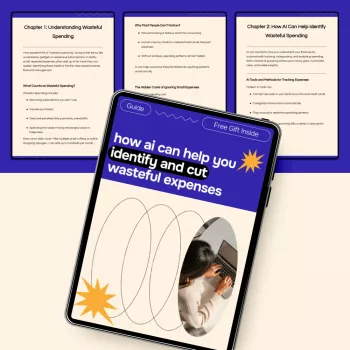
A structured worksheet makes the audit faster: a recurring charge log, a category drift tracker, and an action checklist for cancellations, negotiations, and plan changes. If you want a step-by-step template you can reuse every month, start with How AI Can Help You Identify and Cut Wasteful Expenses (digital download).
If fees are a recurring pain point while traveling, a compact checklist can help you avoid add-ons and duplicate coverage decisions—see the Rental Car Insurance Survival Checklist (printable). And if you’re building a “friction-first” approach to spending, using small decision guides can reduce impulse purchases in unrelated categories too, such as the Calling Your Pet: Cute vs. Classic (digital guide) for quick, confident choices without endless browsing.
FAQ
What data is needed for an AI spending audit?
Export 60–90 days of transactions (CSV is best) with date, merchant/description, and amount; categories are optional. If you can, include a list of subscriptions and billers, and redact sensitive info like full account or card numbers.
Can AI really find subscriptions and recurring bills automatically?
Yes—AI can pattern-match frequency and amounts to identify recurring charges, including variable bills like utilities and annual renewals. You’ll still want to confirm each item before canceling or disputing anything.
How often should an AI expense audit be done?
A quick monthly check catches new subscriptions, creeping categories, and fee leakage early, while a deeper quarterly review helps you renegotiate larger bills and reassess long-term commitments.















Leave a comment