Phone-Free Dining Rules for Homes & Restaurants
Eat, Talk, Enjoy: Phone-Free Dining Made Simple
Phone-free dining is less about strictness and more about protecting conversation, attention, and comfort at the table. With a few clear rules and a light touch, homes and restaurants can reduce distractions, handle exceptions gracefully, and make meals feel like shared time again. If you want a ready-made policy you can print or adapt, Eat, Talk, Enjoy: Phone-Free Dining Made Simple | Practical Guide to Phone Free Dining Area Rules for Homes & Restaurants lays out rule levels, scripts, and signage wording in a simple format.
Why phone-free dining works (and why it’s hard at first)
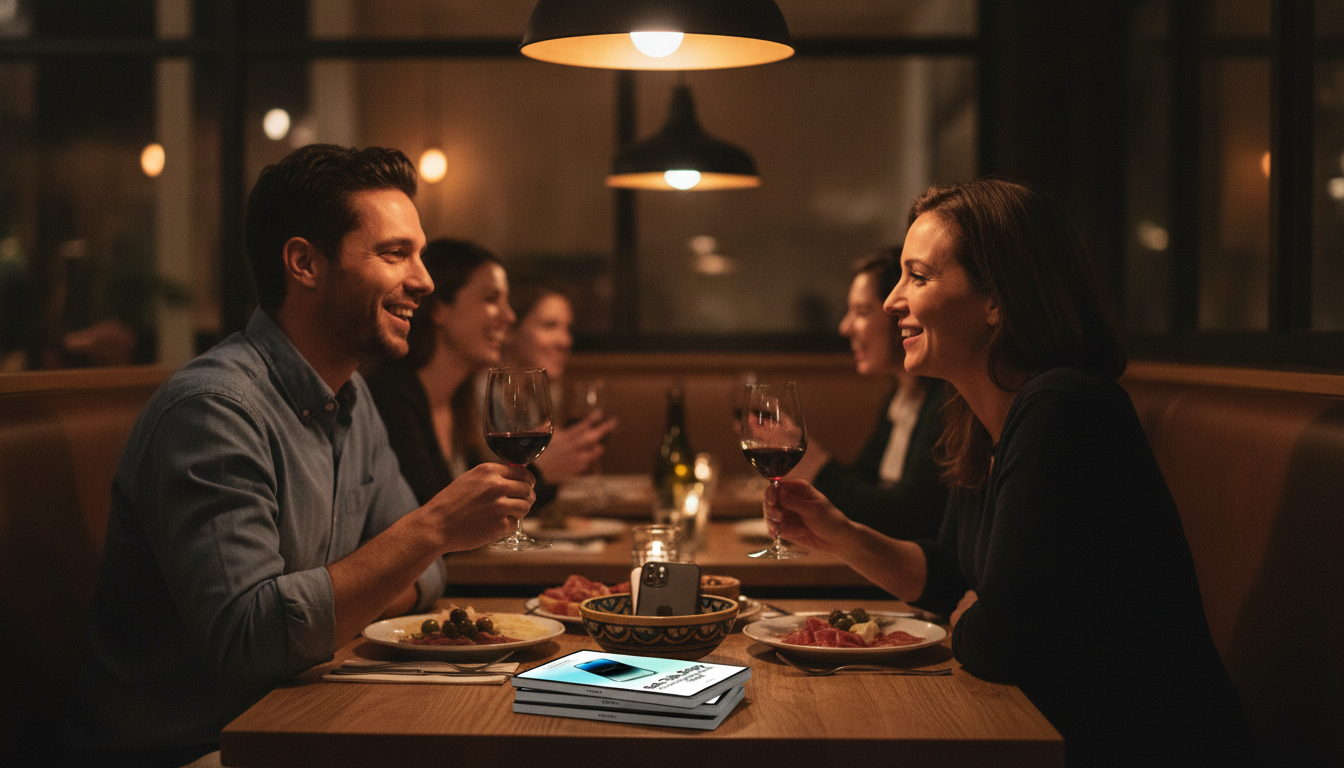
Meals are one of the few moments where everyone is already in the same place, doing the same thing. When attention stays at the table, it signals respect and makes conversation easier to start and sustain. Even a “silent” glance at a screen can interrupt the flow—people pause, topics lose momentum, and the sense of connection thins out.
If the shift feels uncomfortable at first, that’s normal. Phones are tied to habits, work expectations, and social pressure to respond quickly. A realistic goal is consistency and clarity, not policing. The most successful phone-free rules are the ones that everyone understands ahead of time and can follow without negotiation every meal. For broader context on stress, attention, and technology habits, the American Psychological Association’s resources on technology and well-being are a helpful starting point: https://www.apa.org/topics/technology.
Set the tone: what “phone-free” means in plain language
“Phone-free” can mean different things to different people. Before you try to change behavior, define what counts:
- Scope: all phones away, “no screens in hand,” or “emergencies only.”
- Where it applies: dining table only, kitchen island, patio, or any place food is served.
- When it applies: weeknights, weekends, guests over, celebrations, or every meal.
- Standard behavior: devices out of sight, on silent, and never buzzing on the table.
Simple phone-free dining rules (choose one level)
| Rule level | What guests do | When it fits best |
|---|---|---|
| Gentle | Phones face-down and untouched; quick check allowed after the meal | Families building the habit; casual gatherings |
| Clear | Phones put away (pocket/bag/phone basket); emergency calls allowed | Regular family dinners; small restaurants and cafés |
| Strict | No phones at the table; step away for calls/texts; staff supported to enforce | Special occasions; fine dining; team meals |
Phone-free dining at home: practical setups that stick
At home, success usually comes down to lowering friction. Instead of relying on willpower, build a routine that makes “put it away” the easiest option.
- Create a parking spot: a small basket, shelf, or drawer near (not on) the table so phones have a designated place.
- Make it convenient: add a charger at the parking spot. “Out of sight and charging” feels helpful, not punitive.
- Use a shared cue: a short phrase like “phones parked,” or a ritual like lighting a candle, helps everyone switch modes.
- Add a replacement: do a “high/low” check-in, a quick gratitude round, or keep conversation starters nearby.
- Plan a release valve: agree on a set time after dinner for messages so nobody feels cut off.
For families, it can help to align your meal rules with broader screen-time expectations. Common Sense Media offers practical family guidance you can adapt to your household: https://www.commonsensemedia.org/.
Phone-free dining for restaurants: policies that guests accept
Restaurants have more variables—different guests, different expectations, and a need to protect the overall experience without escalating conflict. The most accepted policies tend to be the ones that are clear, positive, and flexible.
- Decide the style: a full ban, phone-free sections, or “no calls/screens with sound” etiquette.
- Frame it positively: signage should emphasize atmosphere, conversation, and comfort, not “rules.”
- Offer an alternative: table games, conversation cards, or “staff can take photos on request.” (This reduces the urge for phones to come out.)
- Train staff on a script: one friendly reminder plus a graceful fallback if the guest refuses.
- Support accessibility: allow medical devices, translation needs, and urgent caregiving situations.
Strong social connection supports well-being, and dining spaces can be a simple place to rebuild it. The NIH overview on social connection and health provides a useful perspective on why these moments matter: https://newsinhealth.nih.gov/2017/02/need-social-connections.
Handling exceptions without awkwardness
Exceptions are where most phone-free plans break down—unless they’re defined in advance. The goal is to allow real needs without turning “just in case” checking into a constant pattern.
Polite scripts for reminders (home and restaurant)
Make it sustainable: progress over perfection
A ready-to-use guide for homes and restaurants
For a plug-and-play template you can adapt quickly, use Eat, Talk, Enjoy: Phone-Free Dining Made Simple. If you’re also building more intentional routines beyond the dinner table, these in-stock digital guides may fit your planning style: Rental Car Insurance Survival Checklist (for smoother travel logistics) and Calling Your Pet: Cute vs. Classic (a fun, low-stakes decision guide for pet owners).
FAQ
How do you enforce a phone-free dinner without sounding controlling?
Agree on the rule before the meal, keep reminders brief and neutral, and offer a step-away option for urgent messages. Emphasize the experience you’re protecting—conversation and presence—rather than blaming anyone for checking.
What counts as an emergency exception for phone-free dining?
Childcare or elder-care updates, on-call work, health alerts, travel disruptions, and accessibility needs are common exceptions. A step-away guideline helps keep exceptions from turning into constant checking at the table.
Can restaurants create phone-free dining areas without upsetting guests?
Yes—positive signage, a friendly staff script, and an option to seat guests outside the phone-free area can reduce friction. Providing alternatives (photo help, simple table games, or conversation cards) also makes the policy easier to accept.














Leave a comment