Clarks Men’s Leather Moccasins: Fit, Style & Care
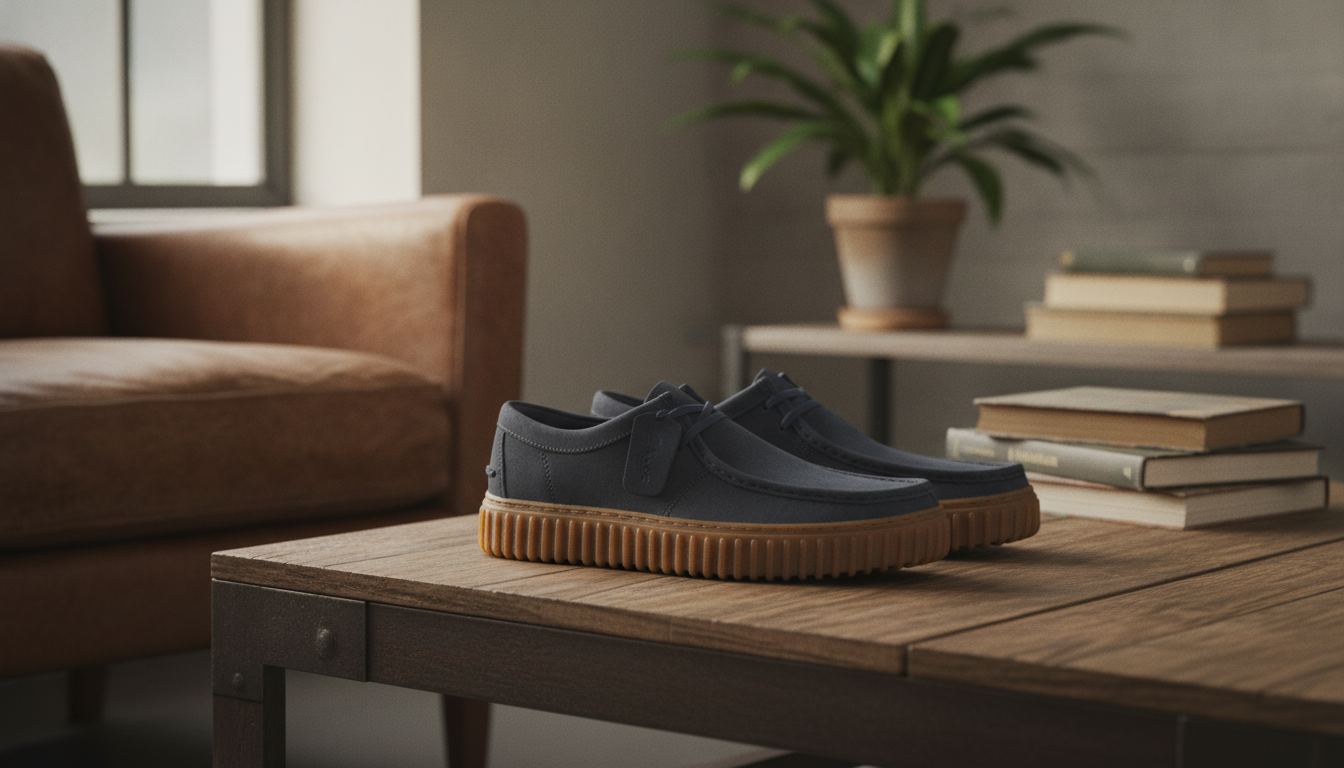
Clarks Men’s Leather Moccasins: Comfort-First Loafers for Everyday Wear
Leather moccasins sit in that rare middle ground: relaxed like a slipper, yet polished enough to pass for a real “going-out” shoe. Clarks’ approach leans into soft leather uppers, flexible construction, and easy slip-on convenience—ideal for commuting, casual offices, weekends, and travel. If you want a pair that feels comfortable quickly without looking overly sporty, leather moccasins are a practical upgrade from sneakers and a softer alternative to structured dress loafers.
What Makes Leather Moccasins a Daily Go-To
For everyday wear, moccasins win on simplicity. They’re quick to put on, easy to live in, and adaptable across a range of casual-to-smart outfits.
- Slip-on simplicity for quick errands, driving, and light walking days.
- Leather uppers that soften and shape to the foot with regular wear.
- Moc-toe and apron seam styling that reads casual but still pulled-together.
- Less rigid structure than many dress loafers, often making them lighter and more flexible.
- Best for: smart-casual outfits, travel days, and any schedule where comfort matters as much as appearance.
How Clarks Approaches Comfort
Clarks is known for building shoes around comfort features rather than forcing you through a long break-in. In moccasin-style slip-ons, that usually means cushioning where you feel it most and flex where your foot naturally moves.
- Cushioning and underfoot support designed for long days on hard floors.
- Flexible sole designs that reduce the “break-in battle” common with stiffer loafers.
- Softer linings and collars that help minimize heel rubbing in the first few wears.
- Balanced silhouette: relaxed enough for jeans, clean enough for chinos.
- Quick comfort payoff for anyone who prefers a shoe that feels broken-in sooner.
Fit Notes: Getting the Right Size the First Time
Fit makes or breaks a slip-on. A good moccasin fit should feel secure at the heel while staying comfortable across the forefoot and instep. Leather will relax a bit, so starting slightly snug (not tight) is often better than sizing up and chasing comfort with extra room.
- Aim for a secure heel with minimal lift; the collar should feel snug but not restrictive.
- Expect slight stretch over time—avoid buying too large “for comfort.”
- If between sizes, decide based on heel security first, then toe room.
- Try them with the socks you’ll actually wear; no-show vs. dress socks changes volume.
- For wider feet, look for a roomier forefoot and avoid sharp, narrow toes.
Quick Fit Checklist
| Fit Area | What to Feel For | Fix If It’s Off |
|---|---|---|
| Heel | Minimal slip while walking | Try a half-size down or add a thin heel grip |
| Forefoot | Gentle contact without pinching | Try a wider option or a thinner sock |
| Toe room | Wiggle space; no pressure on big toe | Size up if toes touch the front |
| Instep | Comfortable pressure; no tight band | Loosen with a shoe stretcher or choose a different last |
| Break-in | Slight snugness is normal | Avoid pain or numbness—swap size immediately |
Materials & Build Details Worth Noticing
Two moccasins can look similar online yet feel very different on foot. A few small build details tend to predict how they’ll wear over time.
- Leather grain and finish: smoother leather looks dressier; pebbled or matte finishes read more casual.
- Stitching quality: the apron and side seams should sit flat with no loose threads or gaps.
- Sole flexibility: the forefoot should bend easily without feeling flimsy.
- Collar padding and lining: often make a bigger difference than expected for all-day comfort.
- Color choice: blue leather adds personality while staying easy to match with neutrals.
Styling Ideas for Blue Leather Moccasins
Blue leather is a quiet way to add contrast. It’s more interesting than black or brown, but still plays well with the staples most closets already have.
Leather Care That Keeps Moccasins Looking Better Longer
Leather ages best with light, consistent care. The goal isn’t constant polishing—it’s preventing dryness, grime buildup, and misshaping. For brand-specific guidance, the Clarks Shoe Care Guide is a helpful reference, and the Leather Working Group explains leather types and why quality can vary.
Simple Maintenance Routine
| Schedule | What to Do | Why It Helps |
|---|---|---|
| Weekly (or as needed) | Wipe down; quick brush if dusty | Prevents grime from grinding into leather |
| Monthly | Light conditioning | Keeps leather supple and reduces cracking |
| Seasonally | Refresh protector spray | Improves resistance to spills and light rain |
| Ongoing | Rotate wear days | Allows moisture to evaporate and extends life |
Product Picks (In Stock)
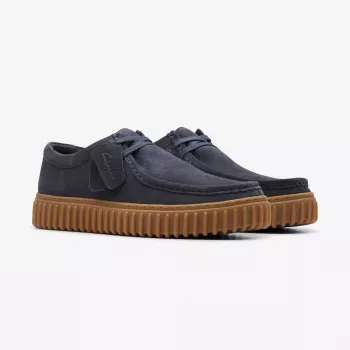
- Clarks Men’s Blue Leather Moccasins ($67.51) — a versatile everyday moccasin with an easy-to-style blue leather upper.
- Summer Color Harmony Bundle | summer season colors 3-in-1 Digital Guides ($247.99) — a practical add-on for anyone who wants clearer outfit color direction to match shoes with everyday neutrals.
- Rental Car Insurance Survival Checklist | Insurance for Rental Cars What You Need | Printable Travel Planning Checklist ($5.99) — a small travel companion for trip planning when moccasins are part of the carry-on lineup.
Product Spotlight: Clarks Men’s Blue Leather Moccasins
FAQ
Do leather moccasins stretch over time?
Yes—leather typically relaxes and molds slightly with wear, especially across the forefoot. Aim for a secure heel fit and avoid sizing so tight that it causes pain or numbness.
Can leather moccasins be worn in light rain?
Occasional light rain is usually manageable if you use a protector spray and let the shoes dry naturally afterward. Frequent wet conditions or soaking can damage leather, so rotating pairs helps extend their life.
What socks work best with moccasins?
No-show socks keep the look clean and can reduce friction in warm weather. For cooler days, thin dress socks (ideally moisture-wicking) add comfort without making the fit feel cramped.











Leave a comment