Smartwatch Buying Guide: Fit, Features, Battery, Apps
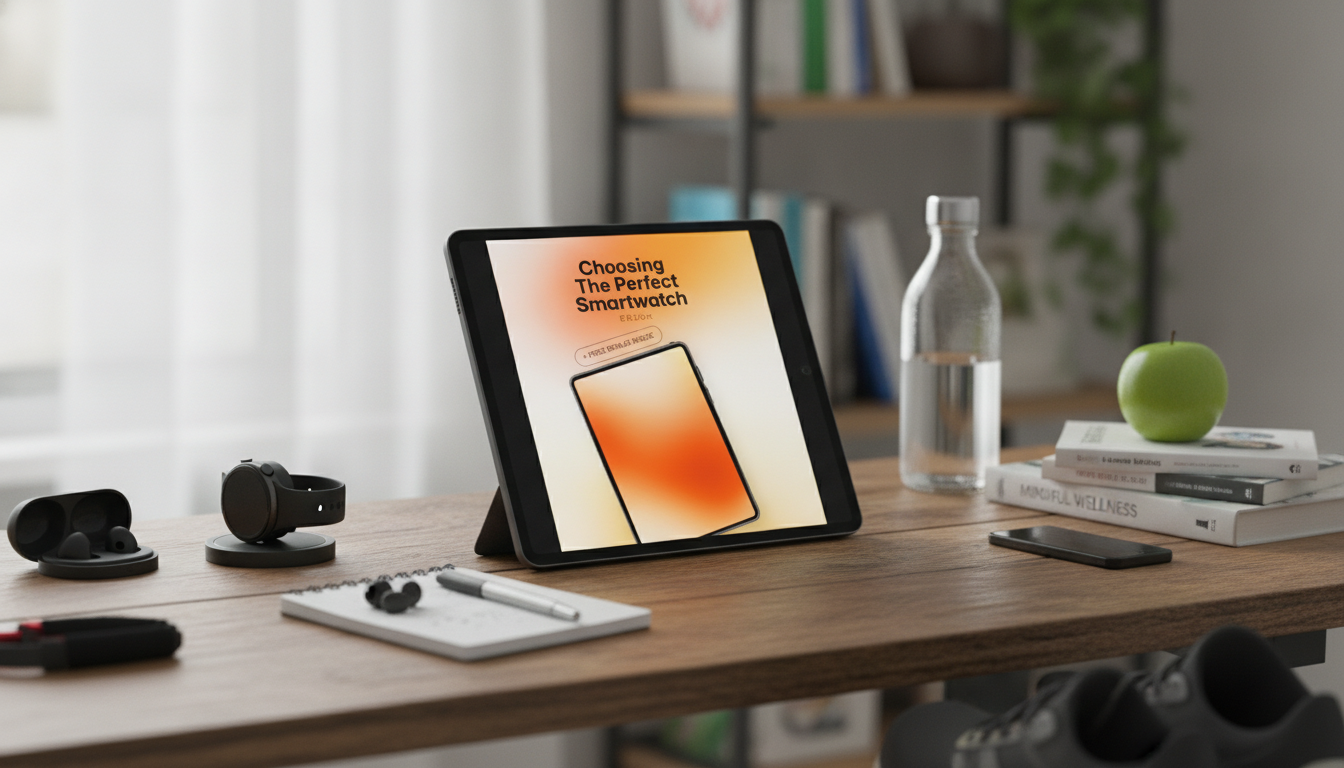
Choosing the Perfect Smartwatch: A Practical Guide to Finding the Right Fit
A smartwatch can be a fitness coach, notification hub, safety tool, and style accessory—if it matches daily habits, phone ecosystem, and comfort needs. Use the framework below to narrow options quickly, avoid common mismatches, and choose features that will still feel useful months from now.
Start With the Main Reason You Want a Smartwatch
The fastest way to land on the right model is to get specific about what you want it to do most days. Pick one or two primary goals, then treat everything else as a “nice-to-have.”
- Fitness and health: step tracking, GPS runs, heart-rate trends, sleep tracking, recovery metrics, coaching plans.
- Everyday convenience: calls/texts, calendar reminders, music control, contactless payments, voice assistant.
- Safety and family: fall detection, emergency SOS, location sharing, check-in features.
- Productivity: timers, to-do lists, meeting nudges, focus modes, quick replies.
- Style and comfort: case size, band material, always-on display, watch faces that fit work and weekends.
If the main goal is fitness, prioritize sensor accuracy and battery under GPS use. If the main goal is convenience, prioritize notifications, quick replies, and comfort for all-day wear.
Make Sure It Works With Your Phone and Apps
Compatibility often matters more than raw specs. Some watches are at their best when paired with the same-brand phone, especially for advanced health syncing, messaging features, and seamless setup.
- Phone pairing: confirm whether you’re using iPhone or Android and check any ecosystem limitations.
- Feature lock-in: some features (advanced health sharing, device setup, certain messaging functions) may require a specific phone brand.
- App ecosystem: check support for your fitness platform, music services, maps, smart-home controls, and workplace tools.
- Notification behavior: confirm whether you can reply (and how) or if notifications are read-only for key apps.
- If a phone switch is likely soon: prioritize cross-platform options and widely supported health apps.
Helpful references include Google Wear OS for platform details and Apple’s pairing guide for iPhone-to-watch setup expectations.
Choose the Right Display, Size, and Comfort
A smartwatch that looks great but feels bulky ends up in a drawer. Comfort also affects sensor accuracy, especially heart-rate and sleep tracking.
Quick Fit Check
| What to check | Why it matters | Good target |
|---|---|---|
| Case size and thickness | Affects comfort under sleeves and during workouts | Choose the smallest size that stays readable |
| Band fit range | Prevents pinching or sliding, improves sensor accuracy | Snug but comfortable; no gaps under sensor |
| Display readability outdoors | Impacts usability during runs and travel | High brightness + good auto-brightness |
| Skin sensitivity | Helps avoid irritation during all-day wear | Breathable band option and hypoallergenic materials |
Health and Fitness Features That Actually Change Daily Use
Battery Life, Charging, and Real-World Expectations
Battery Planning by Lifestyle
| Lifestyle | Typical usage pattern | Battery priorities |
|---|---|---|
| Daily commuter | Notifications + occasional workout | Comfortable 1–2 days, fast charging helps |
| Runner/cyclist | Frequent GPS sessions | Reliable GPS battery + accurate tracking |
| Traveler | Navigation + long days | Multi-day battery + easy charging on the go |
| Sleep tracker | 24/7 wear | Long battery or rapid charge windows |
Connectivity: Bluetooth, GPS, and Cellular
Durability, Water Resistance, and Everyday Risks
- Water resistance: confirm whether it’s appropriate for swimming, showering, and rain rather than assuming. For a deeper explanation of ratings, see Garmin’s water rating guide.
- Scratch/impact resistance: useful if you train outdoors or work with your hands; stronger glass and tougher case materials help.
- Buttons/crown: reliable physical controls are valuable when wearing gloves or when hands are sweaty.
- Support: check warranty terms and how easy it is to buy replacement bands and chargers.
- Sleep comfort: smooth edges and a breathable band prevent irritation during overnight wear.
A Simple Decision Checklist Before Buying
Feature Priority Matrix
| Must-have | Nice-to-have | Skip unless needed |
|---|---|---|
| Comfortable fit and reliable sensors | Always-on display | Cellular plan if phone is always nearby |
| Phone/app compatibility | Music storage/streaming | Premium materials if the watch is mostly for workouts |
| Battery that matches routine | Advanced training metrics | Extra workout modes beyond core sports |
Recommended Guides and Add-Ons (In Stock)
- Choosing the Perfect Smartwatch: The Ultimate Guide to Picking the Right Smartwatch for Your Needs ($20.99) — a deeper, step-by-step companion for narrowing models and features.
- Summer Color Harmony Bundle | summer season colors 3-in-1 Digital Guides ($247.99) — helpful if style coordination is part of your watch-and-band decision.
- Rental Car Insurance Survival Checklist | Insurance for Rental Cars What You Need | Printable Travel Planning Checklist ($5.99) — useful for travelers who want a smoother, lower-stress trip alongside their tech setup.
FAQ
Is a smartwatch accurate for heart rate and sleep tracking?
It can be very good for trends and coaching when the watch fits snugly and maintains steady skin contact, especially during steady cardio. Accuracy often drops with loose bands, lots of arm movement, or poor placement, and results should be treated as helpful guidance rather than a medical diagnosis.
Do you need cellular on a smartwatch?
Cellular is most useful if you want to leave your phone behind and still call, message, stream, or use certain safety features. If your phone is usually nearby, Bluetooth-only is often enough and avoids monthly plan costs and extra battery drain.
How long should a smartwatch battery last in real life?
Real-world battery life ranges from about a day on feature-heavy setups to multiple days on models designed for endurance. Always-on display, GPS workouts, LTE, high brightness, and frequent notifications are the biggest battery drains, so match the battery to your routine and charging habits.














Leave a comment