Mild vs Full vs Plug-In Hybrids: Which Fits Your Drive?
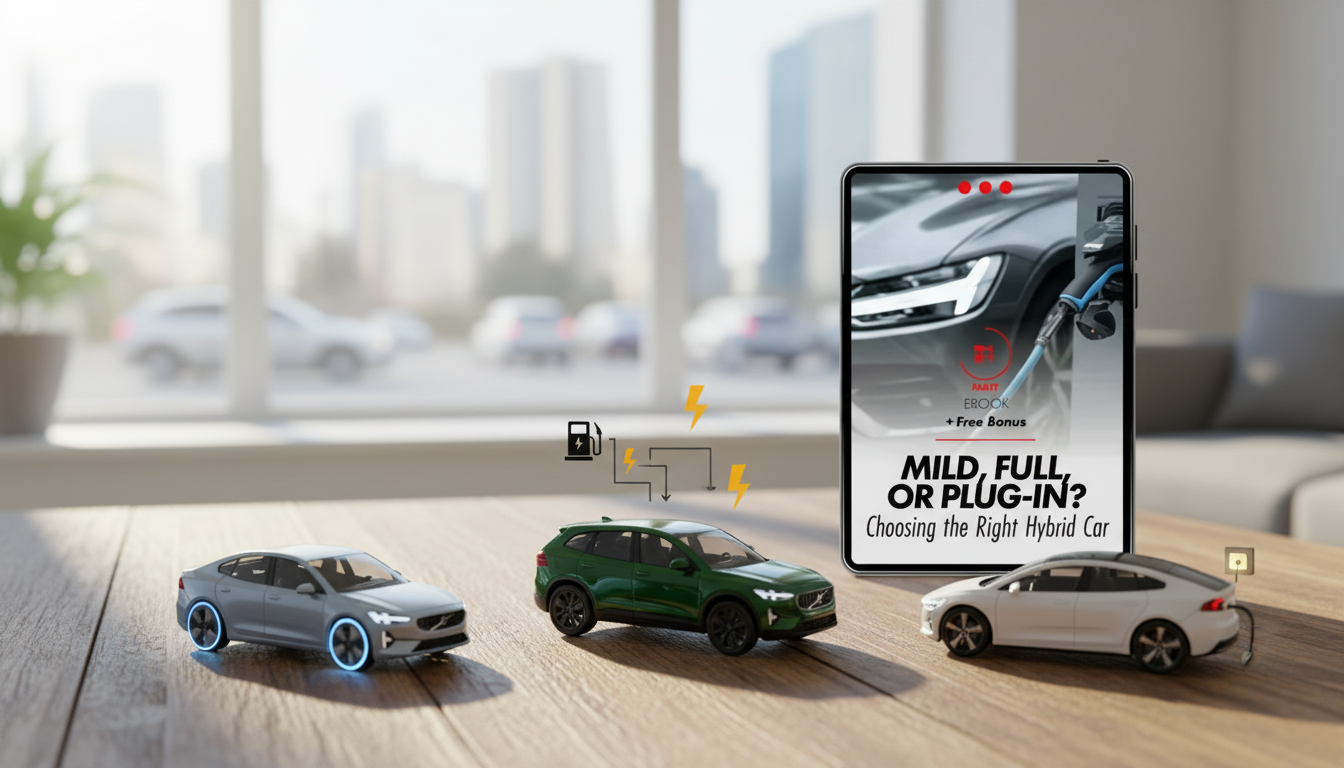
Mild, Full, or Plug-In? Choosing the Right Hybrid Car Type
Hybrid cars aren’t all built the same. Some use a small electric boost to save fuel in stop-and-go traffic, others can drive short distances on electricity alone, and plug-in models add a larger battery that can cover many daily trips with home charging. The best choice depends less on badges and more on commute length, charging access, climate, driving style, and total cost over time. This guide breaks down mild hybrids, full hybrids, and plug-in hybrids with practical comparisons and a simple way to decide what fits everyday driving.
Hybrid basics: what changes between types
All hybrids pair a gasoline engine with one or more electric motors and a battery. The vehicle’s control system decides when to use each power source to balance efficiency, performance, and battery charge.
- Battery size: bigger batteries can deliver more electric power for longer.
- Plug-in capability: plug-in hybrids can recharge from the grid; non-plug-ins recharge themselves while driving.
- EV-only driving: some hybrids can move on electricity alone (usually at lower speeds), while others mainly assist the engine.
Regenerative braking is the quiet hero: when you slow down, the system recovers energy that would otherwise turn into heat and stores it in the battery. That’s why hybrids tend to shine in city traffic with frequent braking. In steady-speed highway cruising, there’s less braking energy to recapture, so efficiency gains can be smaller.
Mild hybrid: the efficiency assist
A mild hybrid uses a small motor-generator to support the engine—often smoothing stop/start and helping during launches or acceleration. In most designs, it does not power the wheels on electricity alone in a meaningful way.
- Best for: drivers without charging access who want a familiar experience with modest fuel savings.
- Typical strengths: smoother stop/start, better low-speed response, and small efficiency gains on mixed routes.
- Typical trade-offs: limited EV feel, benefits vary widely by model, and steady highway commutes may see only modest improvement.
- Who should consider it: high-mileage drivers who value simplicity, long-distance travelers, and buyers prioritizing lower upfront cost.
Full hybrid: electric driving without plugging in
A full hybrid has an electric motor and battery that are strong enough to move the car at low speeds for short stretches. It recharges through regenerative braking and by generating electricity from the engine when needed—no charger required.
- Best for: urban and suburban driving with frequent stops where the car can alternate between engine-off coasting, electric creeping, and efficient engine operation.
- Typical strengths: meaningful fuel savings in traffic, no charging routine, and a long track record across many models.
- Typical trade-offs: EV-only range is limited and heavily dependent on speed, temperature, and battery state.
- Driving feel notes: some hybrids use eCVT-style behavior that can feel different during hard acceleration—test-driving matters.
Plug-in hybrid: electricity-first flexibility
Quick comparison: which hybrid type fits which lifestyle
| Type | Can drive on electricity alone? | Plug-in charging? | Best for | Common trade-offs |
|---|---|---|---|---|
| Mild hybrid | Usually no | No | Simple efficiency boost, long-distance driving, no charging access | Smaller fuel savings, limited EV feel |
| Full hybrid | Yes (short, low-speed) | No | Stop-and-go traffic, mixed driving, fuel savings without charging | Limited EV-only range, test-drive for drivetrain feel |
| Plug-in hybrid | Yes (often meaningful range) | Yes | Daily commutes with charging, errands on electricity, road-trip flexibility | Higher cost, added weight, range drops in cold, charging required for best value |
Costs, incentives, and the math that matters
- Upfront price vs. operating costs: plug-in hybrids commonly cost more initially, but can reduce fuel spend significantly if electricity replaces gasoline for many miles.
- Electricity vs. gasoline pricing: compare local $/kWh and $/gallon. A simple approach is estimating cost per mile in EV mode versus hybrid mode using your real commute distance.
- Incentives and eligibility: rebates and tax credits can change the value dramatically, and eligibility can vary by location and vehicle. Start with the U.S. Department of Energy overview of hybrid and plug-in vehicles and verify current rules locally.
- Maintenance expectations: regenerative braking can reduce brake wear; engine oil changes still apply. Heavier vehicles (often PHEVs) may go through tires sooner depending on torque and driving style.
- Battery longevity: modern hybrid batteries are engineered for long service life; confirm warranty coverage for the specific model and state.
For model-by-model efficiency estimates, compare official ratings and details using the U.S. EPA FuelEconomy.gov tool, then sanity-check them against your route and climate.
Decision checklist: choose in 5 minutes
Common pitfalls to avoid
Recommended guides and checklists
- Mild, Full, or Plug-In? Choosing the Right Hybrid Car – The Ultimate Guide to Hybrid Car Types
- Rental Car Insurance Survival Checklist
FAQ
Is a plug-in hybrid worth it if charging is only available at home on a standard outlet?
Often, yes. Level 1 charging can top up many plug-in hybrids overnight, and the value depends on how many daily miles you can cover on electricity, how long the car sits parked, and your local electricity price versus gasoline.
Do full hybrids need to be plugged in to get good fuel economy?
No. Full hybrids self-charge through regenerative braking and by generating electricity from the engine, and they can deliver strong city fuel economy without plugging in, even though EV-only driving is limited.
How does cold weather affect hybrid and plug-in hybrid efficiency?
Cold temperatures reduce battery performance and increase cabin-heating demand, which can make the engine run more often and lower EV range in plug-in hybrids. Preconditioning while plugged in (when available) and using efficient climate settings can help.















Leave a comment