
Real Estate Crowdfunding Platforms: A Beginner’s Guide
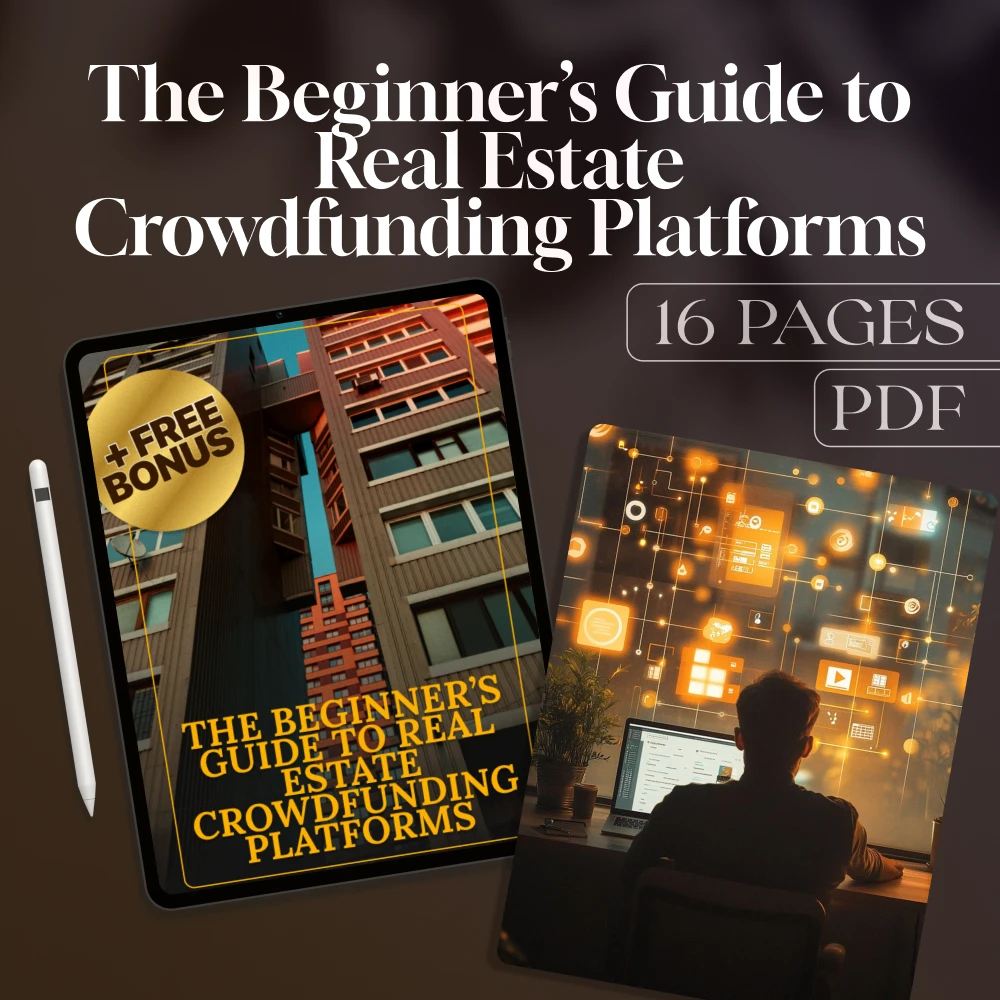
Real estate crowdfunding platforms offer a way to explore property-related investments online, often alongside other investors. Instead of buying and managing an entire property yourself, you may be able to invest in an offering connected to a property or a portfolio. The details, costs, and risks depend on the investment.
If you’re new to the subject, our digital guide is a $7.99 starting point for becoming familiar with real estate crowdfunding. Learning the basics can help you ask better questions, but it can’t eliminate investment risk or guarantee a return.
What Is Real Estate Crowdfunding?
Real estate crowdfunding generally involves an online platform that connects investors with property-related opportunities. Money from multiple investors may be pooled to finance a project, purchase property, or support a real estate business. Depending on the offering, you might invest in debt, equity, or another structure.
Owning an interest in an investment is not the same as directly owning a building. For example, you may own shares in an entity that holds properties rather than holding the property’s title yourself. Your rights to income, voting, and proceeds from a sale depend on the offering documents.
Platforms differ in whom they accept, how much you can invest, and what they offer. Some opportunities are available to non-accredited investors, while others are limited to accredited investors who meet applicable financial criteria. Investor.gov’s crowdfunding overview provides additional background on crowdfunding investments and their risks.
Meet the Digital Guide
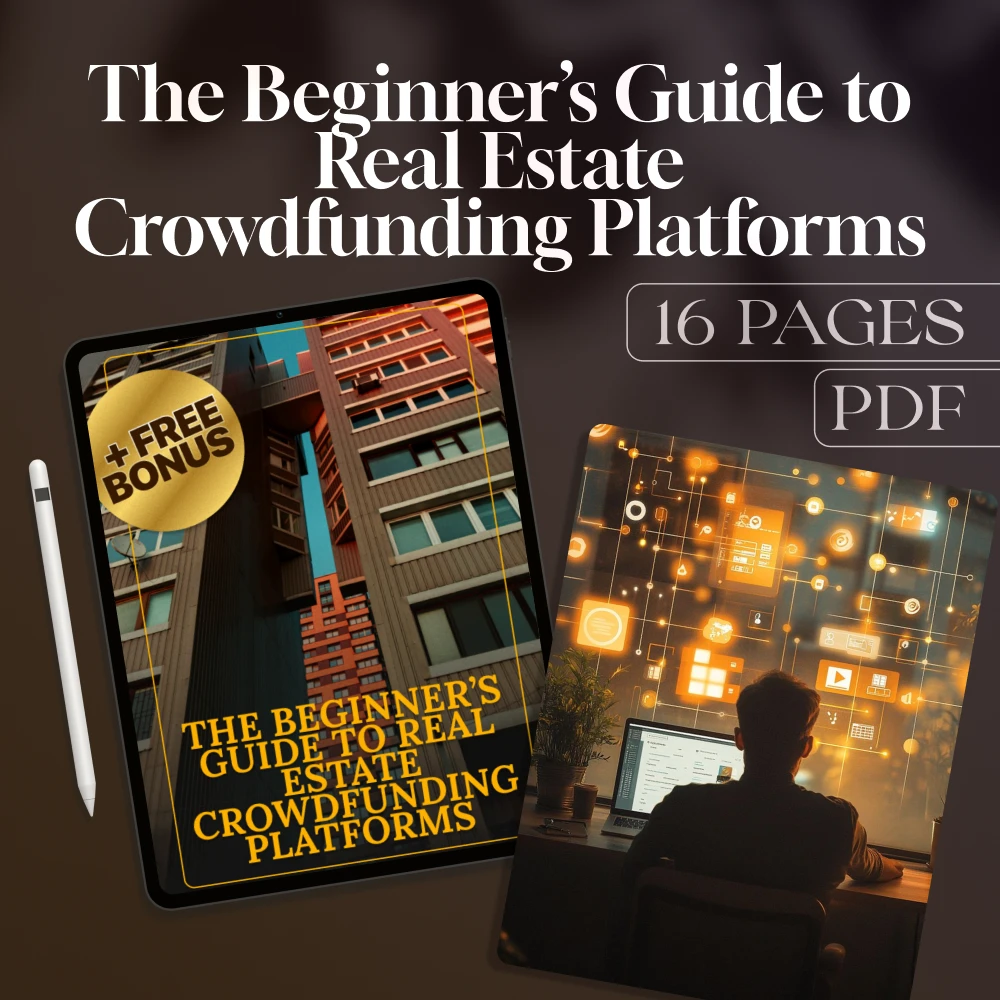
Our Beginner’s Guide to Real Estate Crowdfunding Platforms is a digital download ebook listed at $7.99. It’s an accessible starting point if you want to become more familiar with the subject before comparing investments.
Use the guide as an introduction, not as personalized investment advice or a recommendation to choose a particular platform. Each opportunity has its own documents and terms, so understanding the basics is only the first step in evaluating it.
Questions to Ask Before Choosing a Platform
Start by asking whether you’re eligible for an offering and whether its minimum investment fits your budget. Then look at what you would actually own. An investment tied to a single development project can have different risks from an interest in a fund holding several properties.
Next, review the costs and timing. Fees charged by a platform, fund, or investment manager can reduce your returns. A stated holding period can also matter if you may need your money for another goal. Some investments are difficult to sell, and redemption programs may be limited or unavailable.
Pay close attention to disclosures about the property, the parties managing the investment, and the risks that could affect the outcome. Projected returns are estimates, not guarantees. Property values and income can decline, and you can lose money, including your investment.
Platform Comparison Checklist
| What to check | Why it matters | Where to look |
|---|---|---|
| Investor eligibility | Some offerings are restricted to accredited investors. | Offering documents and platform eligibility rules |
| Fees | Fees can reduce investment returns. | Fee schedule and offering documents |
| Access to funds | An investment may be difficult to sell or withdraw early. | Holding period and redemption terms |
| Investment risks | Property values and returns can fall, and losses are possible. | Risk disclosures and offering documents |
For another perspective on crowdfunding rules and risks, see FINRA’s guide to crowdfunding and the JOBS Act. Rules and protections can differ by offering, so identify the type you’re considering rather than assuming every platform operates the same way.
A Practical First Step for New Investors
Begin with terminology. Knowing the difference between equity and debt, for example, can make it easier to understand what an offering promises and where your risks may come from. Our guide can help you start getting oriented before you compare specific opportunities.
When an investment catches your attention, read its offering documents carefully rather than relying only on a platform’s summary. Review the fees, risks, expected holding period, and terms for receiving distributions. Verify important claims independently, and be cautious if you can’t find clear answers to your questions.
Finally, consider the investment in the context of your own finances. Ask whether tying up money fits your goals and time horizon, and whether you could absorb a loss. A qualified financial professional can help you assess your circumstances when appropriate.
For a different kind of digital planning resource, we also offer Unlock the Best Travel Deals with AI, an ebook listed at $15.99. It’s a separate travel guide, not an investing resource.
Before choosing, compare the product details with your daily routine, available space, care needs, and preferred setup. The strongest option is usually the one that fits the intended use clearly and remains simple to clean, store, and check before repeat use.
FAQ
Do I need to be an accredited investor to use a real estate crowdfunding platform?
Not always. Some offerings are open to non-accredited investors, while others are restricted; check the eligibility rules for each offering.
Can I withdraw money from a real estate crowdfunding investment at any time?
Not necessarily. Many investments are illiquid or have limited redemption options, so review the withdrawal and holding-period terms before investing.
Is the beginner’s guide a physical book?
No. Our beginner’s guide is listed as a digital download ebook.










Leave a comment